Buy ukrgazeta.eu ?
We are moving the project
ukrgazeta.eu .
Are you interested in purchasing the domain
ukrgazeta.eu ?
domain@kv-gmbh.de · 0541-91531010
Buy ukrgazeta.eu ?
What is the post-war period?
The post-war period refers to the time following the end of a war, typically focusing on the aftermath and reconstruction efforts. It is a time of transition as countries work to rebuild their economies, infrastructure, and societies that were affected by the conflict. The post-war period often involves addressing issues such as displaced populations, political instability, and the process of reconciliation and healing. This period is crucial for laying the foundation for long-term peace and stability. **
Which short stories are about war and the post-war period?
Two short stories that focus on war and the post-war period are "The Things They Carried" by Tim O'Brien and "A Perfect Day for Bananafish" by J.D. Salinger. "The Things They Carried" explores the experiences of soldiers during the Vietnam War and the lasting impact of war on their lives. On the other hand, "A Perfect Day for Bananafish" delves into the psychological effects of war on a soldier returning home from World War II. Both stories provide poignant insights into the complexities of war and its aftermath. **
Similar search terms for Post-war
Top-Angebote
Products related to Post-war:
-
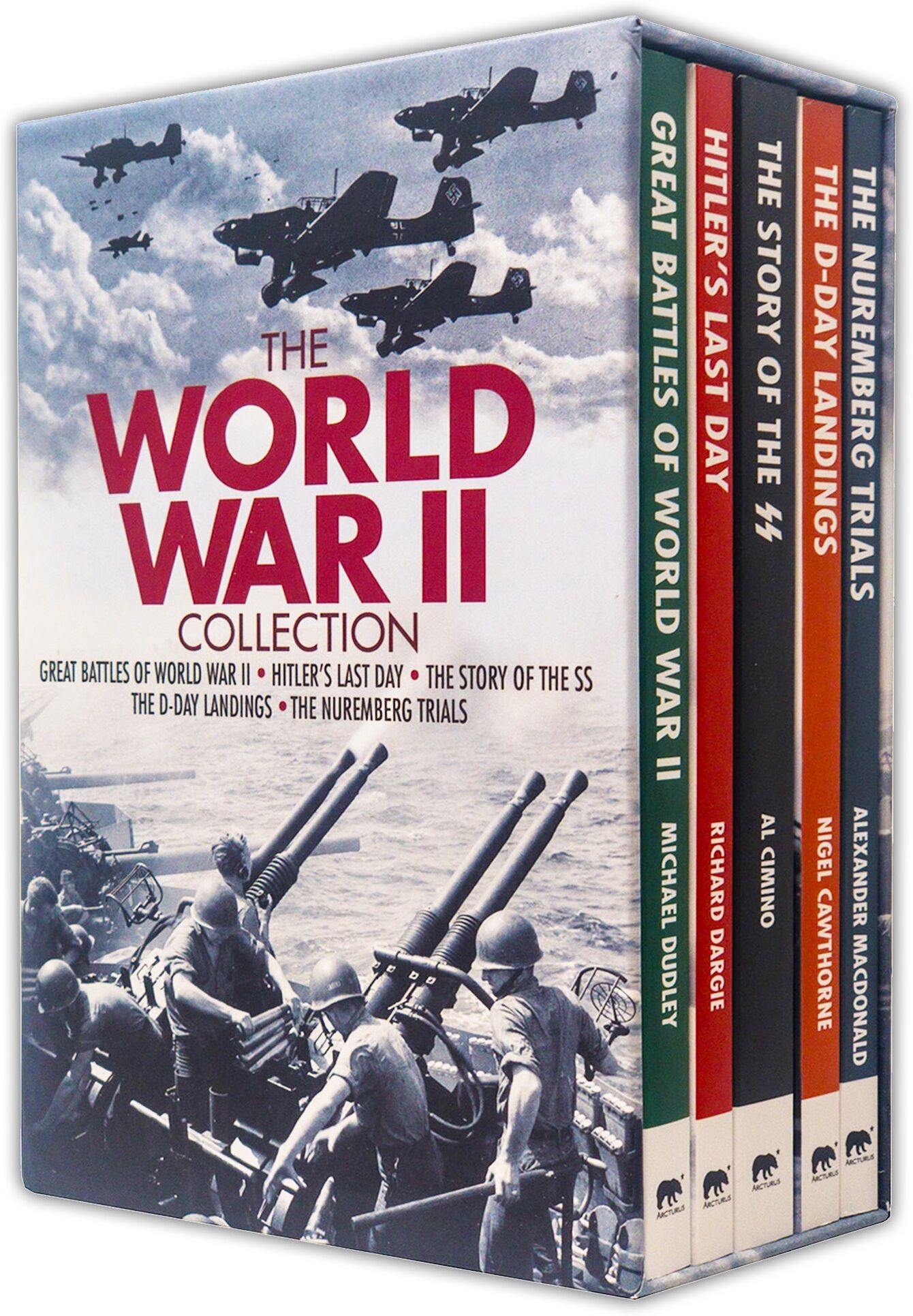
Arcturus The World War II 5 Books Collection Set – D-Day, Nuremberg Trials & Military History CollectionThis box set brings together five brilliant titles which recount the major events of World War II, from Dunkirk to the Nuremberg trials. With breakdowns of skilful military manoeuvres, chilling accounts of Nazi organisations and astounding details from the fall of Berlin, this collection chronicles the defeat of Germany and the Axis powers. These titles are: • Great Battles of World War II by Michael Dudley • The D-Day Landings by Nigel Cawthorne • Hitler's Last Day by Richard Dargie • The Story of the SS by Al Cimino • The Nuremberg Trials by Alexander Macdonald A great read for both military history enthusiasts and those eager to learn more about World War II.14,95 £*Shipping: 2,99 £Secure redirect to the provider



-
Why are post-war buildings considered ugly?
Post-war buildings are often considered ugly because they were built quickly and cheaply to meet the urgent demand for housing and infrastructure after the devastation of World War II. This led to a lack of attention to architectural design and aesthetics, resulting in buildings that are often seen as bland, utilitarian, and lacking in character. Additionally, the use of materials such as concrete and steel, which were readily available and cost-effective at the time, can contribute to the perceived lack of visual appeal in post-war buildings. **
-
Which topics are suitable for a history presentation on the post-war period?
Some suitable topics for a history presentation on the post-war period could include the Cold War and its impact on global politics, the decolonization movements in Africa and Asia, the rise of the European Union and its role in promoting peace and cooperation, the civil rights movements in the United States and around the world, and the economic reconstruction and development in war-torn countries. These topics offer a rich and diverse range of events and themes that shaped the world in the aftermath of World War II. **
-
How was life in the post-war period?
Life in the post-war period was marked by significant changes and challenges. Many countries faced the task of rebuilding their economies and infrastructure, while also dealing with the social and psychological impacts of the war. There was a sense of optimism and hope for a better future, but also a lingering sense of loss and trauma. The period saw the emergence of new political alliances, economic systems, and social movements as the world adjusted to the aftermath of the war. **
-
Why are the post-war children so strict?
Post-war children may be strict because they were raised by parents who experienced the hardships and uncertainties of war, leading them to prioritize discipline and structure in their children's upbringing. Additionally, the post-war period often saw a focus on rebuilding and stability, which may have influenced parents to instill a strong sense of responsibility and adherence to rules in their children. Furthermore, the societal and economic challenges of the post-war era may have led to a more conservative and disciplined approach to parenting in order to ensure the success and security of the next generation. **


What are the genres of post-war literature?
Post-war literature encompasses a wide range of genres, including historical fiction, memoir, poetry, and drama. Many authors sought to capture the experiences and aftermath of war through their writing, resulting in a diverse array of literary works. Some post-war literature also delves into themes of trauma, loss, and the struggle to rebuild society in the wake of conflict. Overall, the genres of post-war literature reflect the complex and multifaceted nature of the post-war experience. **
What are the differences in post-war poetry?
Post-war poetry can vary greatly depending on the specific historical and cultural context of the time and place in which it was written. However, some common differences in post-war poetry include shifts in themes and subject matter, as well as changes in poetic style and form. For example, poetry written in the aftermath of World War I often reflected disillusionment and a sense of loss, while poetry from the post-World War II era often grappled with the complexities of modern life and the impact of technology and globalization. Additionally, post-war poetry may also exhibit experimentation with language and form, as poets sought new ways to express the changing world around them. **
Top-Angebote
Products related to Post-war:
-
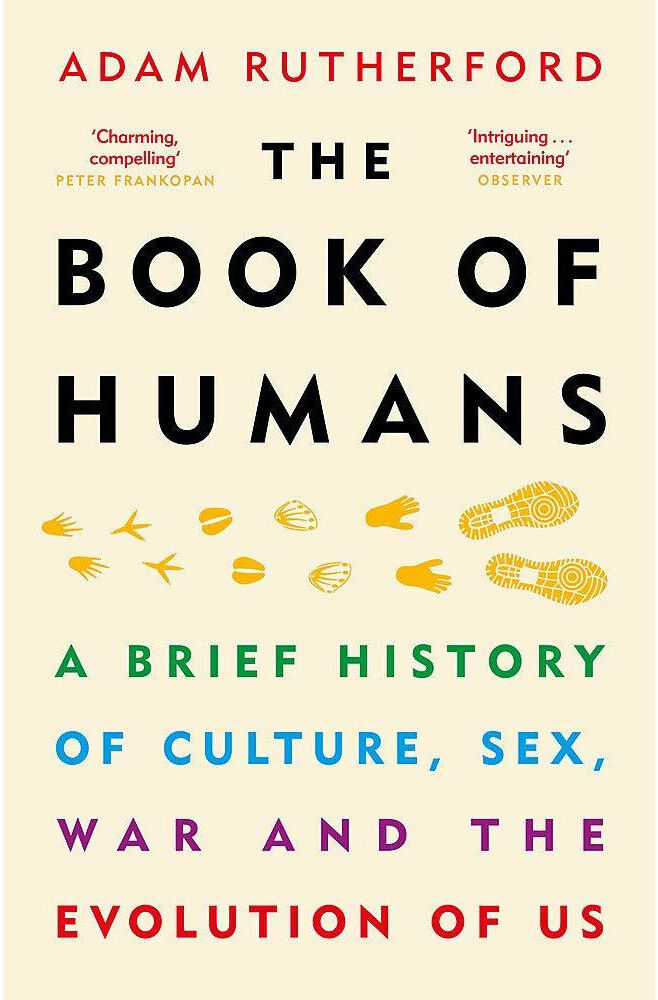
Orion The Book of Humans by Adam Rutherford – A Brief History of Culture, Sex, War & EvolutionWHAT MAKES US HUMAN? Waging war? Sex for pleasure? Creating art? Mastery of fire? In this thrilling tour of the animal kingdom, Adam Rutherford tells the story of how we became the unique creatures we are today. Illuminated by the latest scientific discoveries, THE BOOK OF HUMANS is a dazzling compendium of what unequivocally fixes us as animals, and reveals how we are extraordinary among them.4,98 £*Shipping: 1,99 £Secure redirect to the provider
-
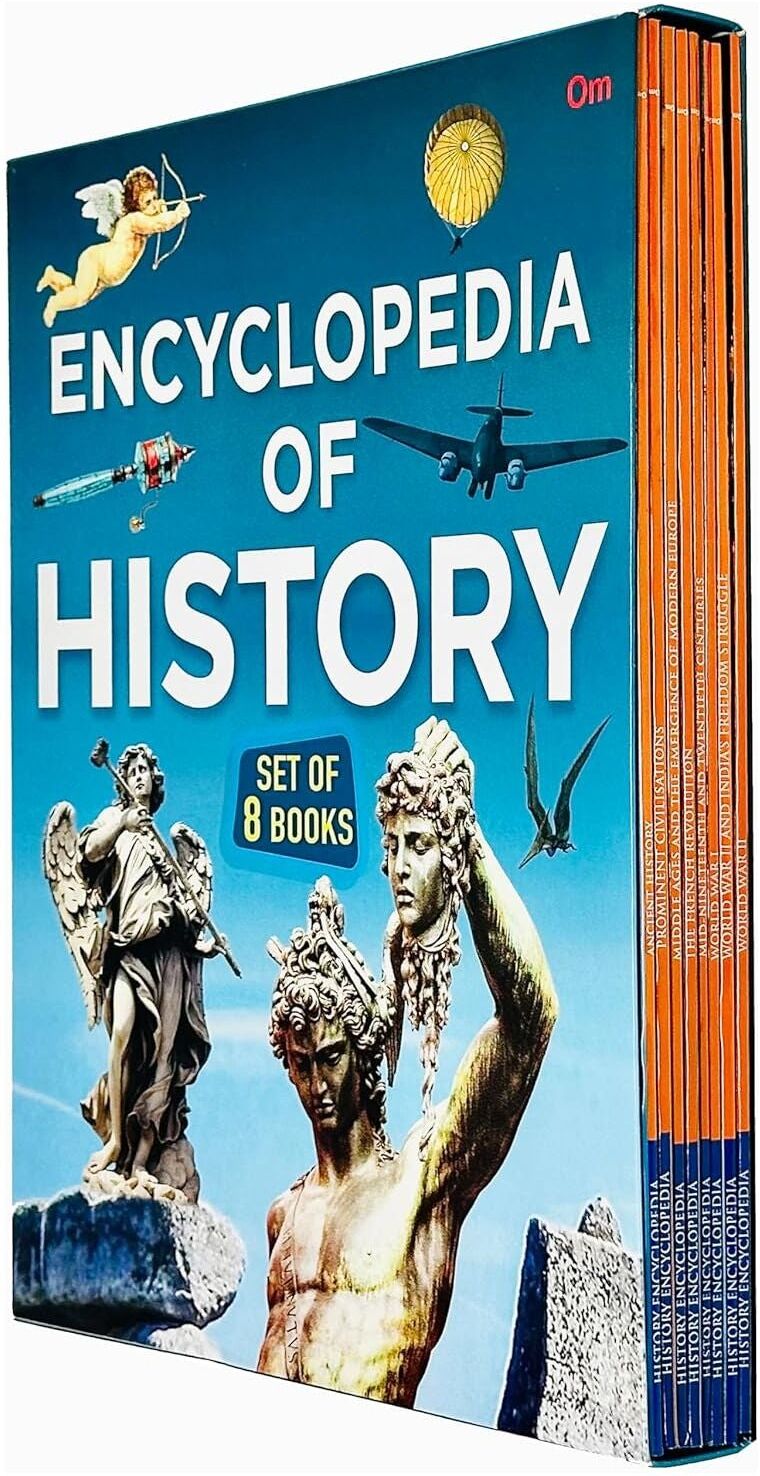
OM Books International Encyclopedia of History 8 Books Collection Set – World War History & Educational Learning CollectionEncyclopedia of History set of 8 books (World War I, World War II, World War II and Indias Freedom Struggle, Mid Nineteenth and Twentieth Centuries, The French Revolution & More): Titles in This Set: Encyclopedia: World War I Encyclopedia: World War II Encyclopedia: World War II and Indias Freedom Struggle Encyclopedia: Mid Nineteenth and Twentieth Centuries Encyclopedia: The French Revolution Encyclopedia: Middle Ages and the Emergence of Modern Europe Encyclopedia: Prominent Civilisations Encyclopedia: Ancient History Description: What made humans the way they are today? How were civilisations formed and erased? What makes up history? Get answers to all the questions and more in this history encyclopedia. Go back in time and learn all about human history, right from the time man began his journey in stone caves. Relive epic battles, learn about the rise and fall of great empires and a lot more.9,90 £*Shipping: 2,99 £Secure redirect to the provider
-
Arcturus The World War II 5 Books Collection Set – D-Day, Nuremberg Trials & Military History CollectionThis box set brings together five brilliant titles which recount the major events of World War II, from Dunkirk to the Nuremberg trials. With breakdowns of skilful military manoeuvres, chilling accounts of Nazi organisations and astounding details from the fall of Berlin, this collection chronicles the defeat of Germany and the Axis powers. These titles are: • Great Battles of World War II by Michael Dudley • The D-Day Landings by Nigel Cawthorne • Hitler's Last Day by Richard Dargie • The Story of the SS by Al Cimino • The Nuremberg Trials by Alexander Macdonald A great read for both military history enthusiasts and those eager to learn more about World War II.14,95 £*Shipping: 2,99 £Secure redirect to the provider
-
What is the post-war period?
The post-war period refers to the time following the end of a war, typically focusing on the aftermath and reconstruction efforts. It is a time of transition as countries work to rebuild their economies, infrastructure, and societies that were affected by the conflict. The post-war period often involves addressing issues such as displaced populations, political instability, and the process of reconciliation and healing. This period is crucial for laying the foundation for long-term peace and stability. **
-
Which short stories are about war and the post-war period?
Two short stories that focus on war and the post-war period are "The Things They Carried" by Tim O'Brien and "A Perfect Day for Bananafish" by J.D. Salinger. "The Things They Carried" explores the experiences of soldiers during the Vietnam War and the lasting impact of war on their lives. On the other hand, "A Perfect Day for Bananafish" delves into the psychological effects of war on a soldier returning home from World War II. Both stories provide poignant insights into the complexities of war and its aftermath. **
-
Why are post-war buildings considered ugly?
Post-war buildings are often considered ugly because they were built quickly and cheaply to meet the urgent demand for housing and infrastructure after the devastation of World War II. This led to a lack of attention to architectural design and aesthetics, resulting in buildings that are often seen as bland, utilitarian, and lacking in character. Additionally, the use of materials such as concrete and steel, which were readily available and cost-effective at the time, can contribute to the perceived lack of visual appeal in post-war buildings. **
-
Which topics are suitable for a history presentation on the post-war period?
Some suitable topics for a history presentation on the post-war period could include the Cold War and its impact on global politics, the decolonization movements in Africa and Asia, the rise of the European Union and its role in promoting peace and cooperation, the civil rights movements in the United States and around the world, and the economic reconstruction and development in war-torn countries. These topics offer a rich and diverse range of events and themes that shaped the world in the aftermath of World War II. **
Similar search terms for Post-war
-
How was life in the post-war period?
Life in the post-war period was marked by significant changes and challenges. Many countries faced the task of rebuilding their economies and infrastructure, while also dealing with the social and psychological impacts of the war. There was a sense of optimism and hope for a better future, but also a lingering sense of loss and trauma. The period saw the emergence of new political alliances, economic systems, and social movements as the world adjusted to the aftermath of the war. **
-
Why are the post-war children so strict?
Post-war children may be strict because they were raised by parents who experienced the hardships and uncertainties of war, leading them to prioritize discipline and structure in their children's upbringing. Additionally, the post-war period often saw a focus on rebuilding and stability, which may have influenced parents to instill a strong sense of responsibility and adherence to rules in their children. Furthermore, the societal and economic challenges of the post-war era may have led to a more conservative and disciplined approach to parenting in order to ensure the success and security of the next generation. **
-
What are the genres of post-war literature?
Post-war literature encompasses a wide range of genres, including historical fiction, memoir, poetry, and drama. Many authors sought to capture the experiences and aftermath of war through their writing, resulting in a diverse array of literary works. Some post-war literature also delves into themes of trauma, loss, and the struggle to rebuild society in the wake of conflict. Overall, the genres of post-war literature reflect the complex and multifaceted nature of the post-war experience. **
-
What are the differences in post-war poetry?
Post-war poetry can vary greatly depending on the specific historical and cultural context of the time and place in which it was written. However, some common differences in post-war poetry include shifts in themes and subject matter, as well as changes in poetic style and form. For example, poetry written in the aftermath of World War I often reflected disillusionment and a sense of loss, while poetry from the post-World War II era often grappled with the complexities of modern life and the impact of technology and globalization. Additionally, post-war poetry may also exhibit experimentation with language and form, as poets sought new ways to express the changing world around them. **
* All prices are inclusive of VAT and, if applicable, plus shipping costs. The offer information is based on the details provided by the respective shop and is updated through automated processes. Real-time updates do not occur, so deviations can occur in individual cases. ** Note: Parts of this content were created by AI.