Buy ukrgazeta.eu ?
We are moving the project
ukrgazeta.eu .
Are you interested in purchasing the domain
ukrgazeta.eu ?
domain@kv-gmbh.de · 0541-91531010
Buy ukrgazeta.eu ?
What is the difference between chlorine and chlorine dioxide?
Chlorine is a chemical element with the symbol Cl and is a strong oxidizing agent commonly used for disinfection purposes. Chlorine dioxide, on the other hand, is a chemical compound with the formula ClO2 and is also used as a disinfectant but is considered to be a more effective and safer alternative to chlorine. Chlorine dioxide is a yellow to reddish gas at room temperature, while chlorine is a greenish-yellow gas. Additionally, chlorine dioxide is less likely to form harmful byproducts compared to chlorine. **
What is the difference between chlorine cleaner and food?
Chlorine cleaner is a chemical product used for disinfecting and cleaning surfaces, while food is a substance consumed for nourishment. Chlorine cleaner is not safe for consumption and can be harmful if ingested, while food is specifically designed for human consumption and provides essential nutrients for the body. Additionally, chlorine cleaner is used to kill bacteria and germs, while food provides energy and sustenance for the body. **

Similar search terms for Chlorine
Top-Angebote
Products related to Chlorine:
-
Bloomsbury Publishing The Silk Roads & The New Silk Roads 2 Book Set by Peter Frankopan – History & Global Politics CollectionThe New Silk Roads The Present and Future of the World The New Silk Roads takes a fresh look at the relationships being formed along the length and breadth of the ancient trade routes today. The world is changing dramatically and in an age of Brexit and Trump; the themes of isolation and fragmentation permeating the western world stand in sharp contrast to events along the Silk Roads; where ties are being strengthened and mutual cooperation established.This prescient contemporary history provides a timely reminder that we live in a world that is profoundly interconnected. The Silk Roads: A New History of the World For centuries; fame and fortune were to be found in the west in the New World of the Americas. Today; it is the east which calls out to those in search of riches and adventure. Sweeping right across Central Asia and deep into China and India; a region that once took centre stage is again rising to dominate global politics; commerce and culture.16,98 £*Shipping: 2,99 £Secure redirect to the provider
-
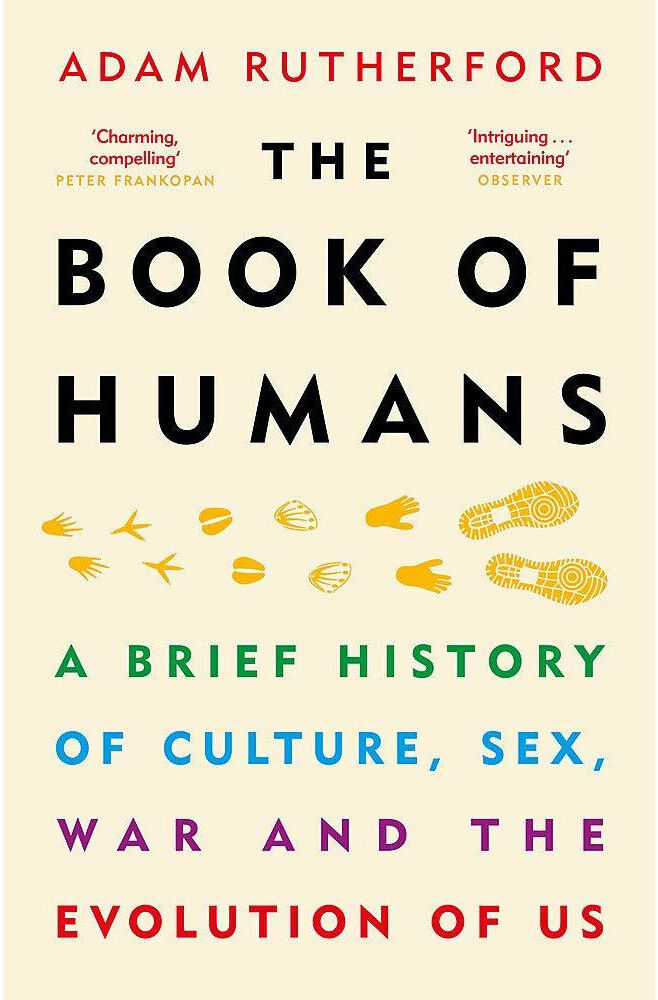
Orion The Book of Humans by Adam Rutherford – A Brief History of Culture, Sex, War & EvolutionWHAT MAKES US HUMAN? Waging war? Sex for pleasure? Creating art? Mastery of fire? In this thrilling tour of the animal kingdom, Adam Rutherford tells the story of how we became the unique creatures we are today. Illuminated by the latest scientific discoveries, THE BOOK OF HUMANS is a dazzling compendium of what unequivocally fixes us as animals, and reveals how we are extraordinary among them.4,98 £*Shipping: 1,99 £Secure redirect to the provider
-
iSpring WCF200K Whole House Water Filter, Reduces Chlorine & PFASAdvanced Filter Media: Utilizes premium KDF55 and high quality coconut shell activated carbon to effectively remove chlorine, lead, heavy metals, PFAS, chloramine, radon, herbicides, and more.3329,99 $*Shipping: 0,00 $Secure redirect to the provider
-
iSpring WF1054 Whole House Water Filter, Reduces PFAS & ChlorineSuperior Water Filtration Technology: Harness the potential of the iSpring WF1054 whole house water filtration system, uniting high-quality KDF and coconut shell activated carbon.1270,99 $*Shipping: 0,00 $Secure redirect to the provider



-
Why do two chlorine atoms combine to form a chlorine molecule?
Two chlorine atoms combine to form a chlorine molecule because each chlorine atom has seven electrons in its outer shell, making them highly reactive and likely to form a covalent bond. By sharing one electron each, the two chlorine atoms can achieve a stable electron configuration with a full outer shell of eight electrons, similar to the noble gas configuration. This sharing of electrons allows the two atoms to become more stable and lower their overall energy, forming a strong bond between them. **
-
How is chlorine inhaled?
Chlorine can be inhaled when it is released into the air as a gas. This can happen when chlorine-containing products, such as bleach or cleaning agents, are used in poorly ventilated areas. Inhaling chlorine gas can irritate the respiratory system, causing symptoms such as coughing, chest tightness, and difficulty breathing. It is important to always use chlorine products in well-ventilated areas to minimize the risk of inhaling the gas. **
-
What are chlorine vapors?
Chlorine vapors are the gaseous form of chlorine, a highly reactive and toxic chemical element. These vapors are produced when chlorine gas evaporates into the air. Inhalation of chlorine vapors can cause irritation to the respiratory system, eyes, and skin, and can be harmful or even fatal in high concentrations. Chlorine vapors are commonly used in disinfectants, bleaches, and water treatment processes. **
-
Does chlorine damage hair?
Chlorine can damage hair by stripping away its natural oils, leading to dryness and brittleness. It can also cause the hair cuticle to become rough and frayed, making the hair more prone to breakage and split ends. To minimize damage from chlorine, it is recommended to wet the hair with clean water before swimming, use a swim cap, and rinse the hair thoroughly with fresh water after swimming to remove chlorine residue. Additionally, using a clarifying shampoo or deep conditioning treatment can help restore moisture and repair any damage caused by chlorine exposure. **

Is chlorine an alkane?
No, chlorine is not an alkane. Chlorine is a chemical element with the symbol Cl and atomic number 17. It is a member of the halogen group and exists as a diatomic molecule (Cl2) in its natural state. Alkanes, on the other hand, are a group of hydrocarbons with single bonds between carbon atoms and are not related to chlorine. **
Why doesn't chlorine dissolve?
Chlorine is a gas at room temperature and pressure, and it does not dissolve in water because it is not polar. Water is a polar molecule, meaning it has a positive and negative end, which allows it to dissolve other polar substances. However, chlorine is nonpolar, so it does not interact with water molecules in a way that allows it to dissolve. Instead, chlorine reacts with water to form a mixture of hydrochloric acid and hypochlorous acid. **
Top-Angebote
Products related to Chlorine:
-
From the Archives: Black History and Culture Value PackThis brand-new series is rooted in a profound commitment to shedding light on some of the important -- and often lesser-known -- aspects of Black history. From the Archives features landmarks, events, people, and artistic endeavors that have played...26,99 $*Shipping: 0,00 $Secure redirect to the provider
-
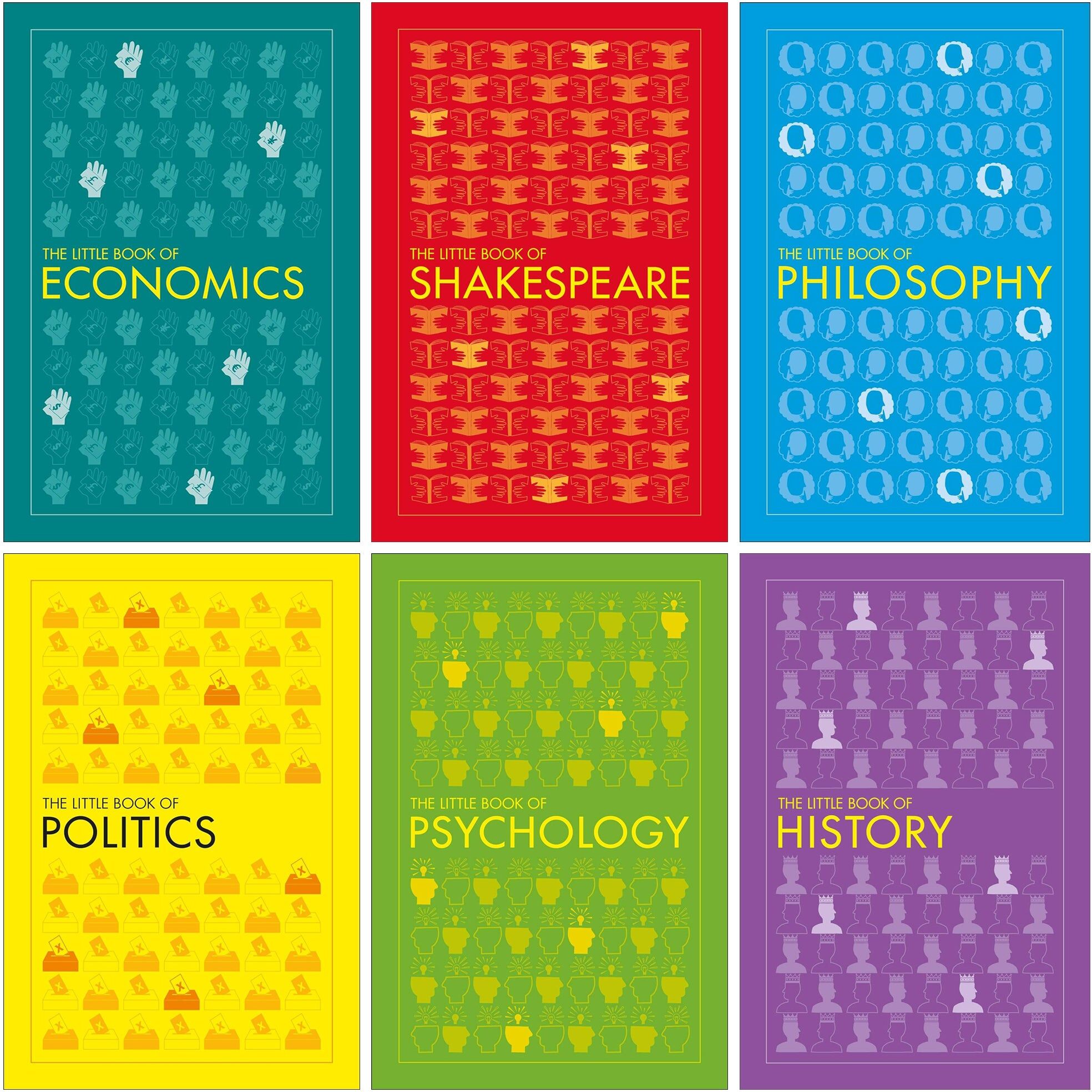
DK The Little Book Of Series 6 Books Collection Set (Economics, Politics, Shakespeare, Philosophy, Psychology, History)The Little Book Of Economics From the earliest forms of currency to the Industrial Revolution, and from the birth of the stock market to free-market capitalism and globalized trade, The Little Book of Economics brings economic theory and the work of key economists to life. Journeying through centuries of economic thought, it is the perfect pocket-sized guide to the subject. The Little Book Of Politics From the origins of democracy to Machiavelli's cunning statecraft, and from Rousseau's "social contract" to the American Declaration of Independence, Marxist communism, the dawn of populism, and identity politics, The Little Book of Politics examines the philosophies behind the different political beliefs and methods of government used around the world over the course of human history. The Little Book Of Shakespeare This bold book covers every work, from the comedies of Twelfth Night and As You Like It to the tragedies of Julius Caesar and Hamlet, plus lost plays and less well-known works of poetry. Easy-to-understand graphics and illustrations bring the themes, plots, characters and language of Shakespeare to life, including illustrated timelines which offer an at-a-glance summary of the action for each play. With detailed plot summaries and an in-depth analysis of the major characters and themes, this is a brilliant, innovative exploration of the entire canon of Shakespeare plays, sonnets and poetry. The Little Book Of Philosophy To the complete novice learning about philosophy can be daunting - The Little Book of Philosophy changes all that. With the use of powerful and easy-to-follow images, famous quotations, and explanations that are easily understandable, this book cuts through any misunderstandings to demystify the subject. The Little Book Of Psychology DK's The Little Book of Psychology answers all these questions and provides an insight into this fascinating field of science. Whether you are a student, an expert, a novice, or have a general interest in the human mind, this portable guide is the perfect choice to start exploring and understanding psychology. The Little Book Of History The Little Book of History charts world history from the dawn of civilisation to the modern culture we live in today. From the origins of homo-sapiens to the release of Nelson Mandela, from the French Revolution to the Space Race, The Little Book of History is a stunning exploration of the human timeline up to and including modern Islam, the world wide web, and the global financial crisis.14,99 £*Shipping: 2,99 £Secure redirect to the provider
-
Bloomsbury Publishing The Silk Roads & The New Silk Roads 2 Book Set by Peter Frankopan – History & Global Politics CollectionThe New Silk Roads The Present and Future of the World The New Silk Roads takes a fresh look at the relationships being formed along the length and breadth of the ancient trade routes today. The world is changing dramatically and in an age of Brexit and Trump; the themes of isolation and fragmentation permeating the western world stand in sharp contrast to events along the Silk Roads; where ties are being strengthened and mutual cooperation established.This prescient contemporary history provides a timely reminder that we live in a world that is profoundly interconnected. The Silk Roads: A New History of the World For centuries; fame and fortune were to be found in the west in the New World of the Americas. Today; it is the east which calls out to those in search of riches and adventure. Sweeping right across Central Asia and deep into China and India; a region that once took centre stage is again rising to dominate global politics; commerce and culture.16,98 £*Shipping: 2,99 £Secure redirect to the provider
-
Orion The Book of Humans by Adam Rutherford – A Brief History of Culture, Sex, War & EvolutionWHAT MAKES US HUMAN? Waging war? Sex for pleasure? Creating art? Mastery of fire? In this thrilling tour of the animal kingdom, Adam Rutherford tells the story of how we became the unique creatures we are today. Illuminated by the latest scientific discoveries, THE BOOK OF HUMANS is a dazzling compendium of what unequivocally fixes us as animals, and reveals how we are extraordinary among them.4,98 £*Shipping: 1,99 £Secure redirect to the provider
-
What is the difference between chlorine and chlorine dioxide?
Chlorine is a chemical element with the symbol Cl and is a strong oxidizing agent commonly used for disinfection purposes. Chlorine dioxide, on the other hand, is a chemical compound with the formula ClO2 and is also used as a disinfectant but is considered to be a more effective and safer alternative to chlorine. Chlorine dioxide is a yellow to reddish gas at room temperature, while chlorine is a greenish-yellow gas. Additionally, chlorine dioxide is less likely to form harmful byproducts compared to chlorine. **
-
What is the difference between chlorine cleaner and food?
Chlorine cleaner is a chemical product used for disinfecting and cleaning surfaces, while food is a substance consumed for nourishment. Chlorine cleaner is not safe for consumption and can be harmful if ingested, while food is specifically designed for human consumption and provides essential nutrients for the body. Additionally, chlorine cleaner is used to kill bacteria and germs, while food provides energy and sustenance for the body. **
-
Why do two chlorine atoms combine to form a chlorine molecule?
Two chlorine atoms combine to form a chlorine molecule because each chlorine atom has seven electrons in its outer shell, making them highly reactive and likely to form a covalent bond. By sharing one electron each, the two chlorine atoms can achieve a stable electron configuration with a full outer shell of eight electrons, similar to the noble gas configuration. This sharing of electrons allows the two atoms to become more stable and lower their overall energy, forming a strong bond between them. **
-
How is chlorine inhaled?
Chlorine can be inhaled when it is released into the air as a gas. This can happen when chlorine-containing products, such as bleach or cleaning agents, are used in poorly ventilated areas. Inhaling chlorine gas can irritate the respiratory system, causing symptoms such as coughing, chest tightness, and difficulty breathing. It is important to always use chlorine products in well-ventilated areas to minimize the risk of inhaling the gas. **
Similar search terms for Chlorine
-
iSpring WCF200K Whole House Water Filter, Reduces Chlorine & PFASAdvanced Filter Media: Utilizes premium KDF55 and high quality coconut shell activated carbon to effectively remove chlorine, lead, heavy metals, PFAS, chloramine, radon, herbicides, and more.3329,99 $*Shipping: 0,00 $Secure redirect to the provider
-
iSpring WF1054 Whole House Water Filter, Reduces PFAS & ChlorineSuperior Water Filtration Technology: Harness the potential of the iSpring WF1054 whole house water filtration system, uniting high-quality KDF and coconut shell activated carbon.1270,99 $*Shipping: 0,00 $Secure redirect to the provider
-
iSpring WF1024 Whole House Water Filter, Reduces PFAS & ChlorineCutting-Edge Water Filtration: Encounter the exceptional iSpring WF1024 whole house water filtration system, integrating the potent combination of premium KDF and coconut shell activated carbon.812,49 $*Shipping: 0,00 $Secure redirect to the provider
-
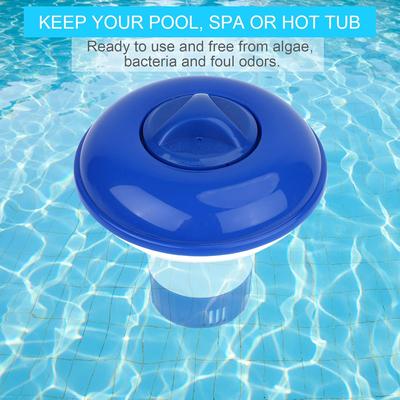
The Handy Homestead Adjustable Floating Chlorine Dispenser For Pools Spas And Hot Tubs Adjustable Floating Chlorine Dispenser For Pools Spas And Hot TubsKeep your water cleaner, clearer, and swimready with less daily effort. This floating chlorine dispenser slowly releases tablets as it moves across the water, helping maintain balanced sanitation in pools, spas, and hot tubs. Designed for easy use,...29,97 $*Shipping: 0,00 $Secure redirect to the provider
-
What are chlorine vapors?
Chlorine vapors are the gaseous form of chlorine, a highly reactive and toxic chemical element. These vapors are produced when chlorine gas evaporates into the air. Inhalation of chlorine vapors can cause irritation to the respiratory system, eyes, and skin, and can be harmful or even fatal in high concentrations. Chlorine vapors are commonly used in disinfectants, bleaches, and water treatment processes. **
-
Does chlorine damage hair?
Chlorine can damage hair by stripping away its natural oils, leading to dryness and brittleness. It can also cause the hair cuticle to become rough and frayed, making the hair more prone to breakage and split ends. To minimize damage from chlorine, it is recommended to wet the hair with clean water before swimming, use a swim cap, and rinse the hair thoroughly with fresh water after swimming to remove chlorine residue. Additionally, using a clarifying shampoo or deep conditioning treatment can help restore moisture and repair any damage caused by chlorine exposure. **
-
Is chlorine an alkane?
No, chlorine is not an alkane. Chlorine is a chemical element with the symbol Cl and atomic number 17. It is a member of the halogen group and exists as a diatomic molecule (Cl2) in its natural state. Alkanes, on the other hand, are a group of hydrocarbons with single bonds between carbon atoms and are not related to chlorine. **
-
Why doesn't chlorine dissolve?
Chlorine is a gas at room temperature and pressure, and it does not dissolve in water because it is not polar. Water is a polar molecule, meaning it has a positive and negative end, which allows it to dissolve other polar substances. However, chlorine is nonpolar, so it does not interact with water molecules in a way that allows it to dissolve. Instead, chlorine reacts with water to form a mixture of hydrochloric acid and hypochlorous acid. **
* All prices are inclusive of VAT and, if applicable, plus shipping costs. The offer information is based on the details provided by the respective shop and is updated through automated processes. Real-time updates do not occur, so deviations can occur in individual cases. ** Note: Parts of this content were created by AI.