Buy ukrgazeta.eu ?
We are moving the project
ukrgazeta.eu .
Are you interested in purchasing the domain
ukrgazeta.eu ?
domain@kv-gmbh.de · 0541-91531010
Buy ukrgazeta.eu ?
What are the food relationships and biomass turnover in ecosystems?
Food relationships in ecosystems refer to the interactions between different organisms as they consume and are consumed by one another. This includes predator-prey relationships, as well as the flow of energy and nutrients through the food chain. Biomass turnover refers to the rate at which organic matter is produced and decomposed within an ecosystem. This turnover is essential for maintaining the balance of nutrients and energy within the ecosystem, as dead organic matter is broken down and recycled into the environment, providing resources for new growth. Together, food relationships and biomass turnover play a crucial role in the functioning and sustainability of ecosystems. **
Do closed ecosystems work in aquaristics?
Closed ecosystems, also known as self-sustaining ecosystems, can work in aquaristics under the right conditions. These ecosystems can be created in a sealed environment such as a fish tank, where the balance of plants, animals, and microorganisms can sustain themselves without external inputs. However, maintaining a truly closed ecosystem can be challenging, as it requires careful monitoring and management to ensure that all components are in balance. Additionally, closed ecosystems may not be suitable for all types of aquatic life, and some species may require more specific environmental conditions that cannot be fully replicated in a closed system. **

Similar search terms for Ecosystems
Top-Angebote
Products related to Ecosystems:
-
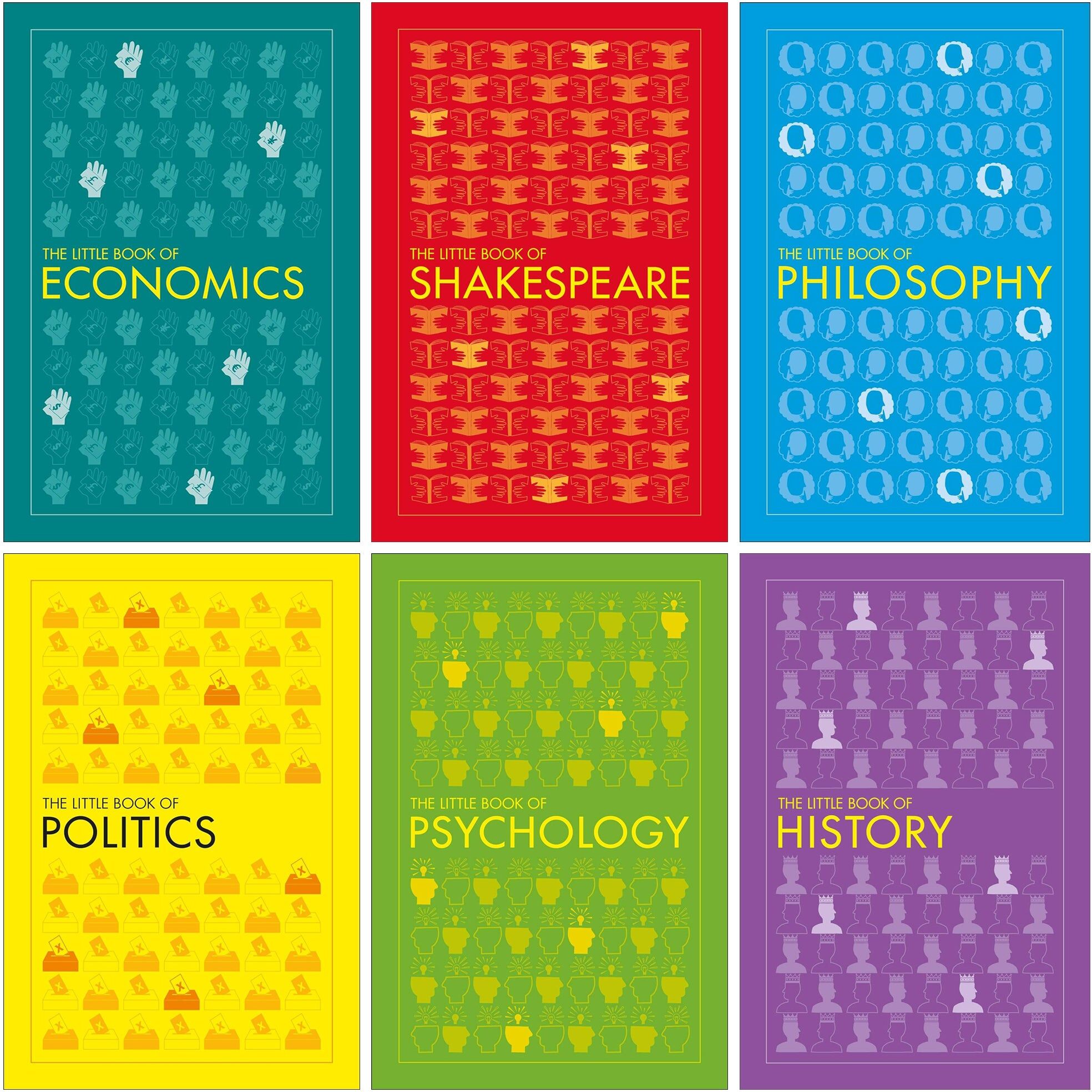
DK The Little Book Of Series 6 Books Collection Set (Economics, Politics, Shakespeare, Philosophy, Psychology, History)The Little Book Of Economics From the earliest forms of currency to the Industrial Revolution, and from the birth of the stock market to free-market capitalism and globalized trade, The Little Book of Economics brings economic theory and the work of key economists to life. Journeying through centuries of economic thought, it is the perfect pocket-sized guide to the subject. The Little Book Of Politics From the origins of democracy to Machiavelli's cunning statecraft, and from Rousseau's "social contract" to the American Declaration of Independence, Marxist communism, the dawn of populism, and identity politics, The Little Book of Politics examines the philosophies behind the different political beliefs and methods of government used around the world over the course of human history. The Little Book Of Shakespeare This bold book covers every work, from the comedies of Twelfth Night and As You Like It to the tragedies of Julius Caesar and Hamlet, plus lost plays and less well-known works of poetry. Easy-to-understand graphics and illustrations bring the themes, plots, characters and language of Shakespeare to life, including illustrated timelines which offer an at-a-glance summary of the action for each play. With detailed plot summaries and an in-depth analysis of the major characters and themes, this is a brilliant, innovative exploration of the entire canon of Shakespeare plays, sonnets and poetry. The Little Book Of Philosophy To the complete novice learning about philosophy can be daunting - The Little Book of Philosophy changes all that. With the use of powerful and easy-to-follow images, famous quotations, and explanations that are easily understandable, this book cuts through any misunderstandings to demystify the subject. The Little Book Of Psychology DK's The Little Book of Psychology answers all these questions and provides an insight into this fascinating field of science. Whether you are a student, an expert, a novice, or have a general interest in the human mind, this portable guide is the perfect choice to start exploring and understanding psychology. The Little Book Of History The Little Book of History charts world history from the dawn of civilisation to the modern culture we live in today. From the origins of homo-sapiens to the release of Nelson Mandela, from the French Revolution to the Space Race, The Little Book of History is a stunning exploration of the human timeline up to and including modern Islam, the world wide web, and the global financial crisis.14,99 £*Shipping: 2,99 £Secure redirect to the provider
-
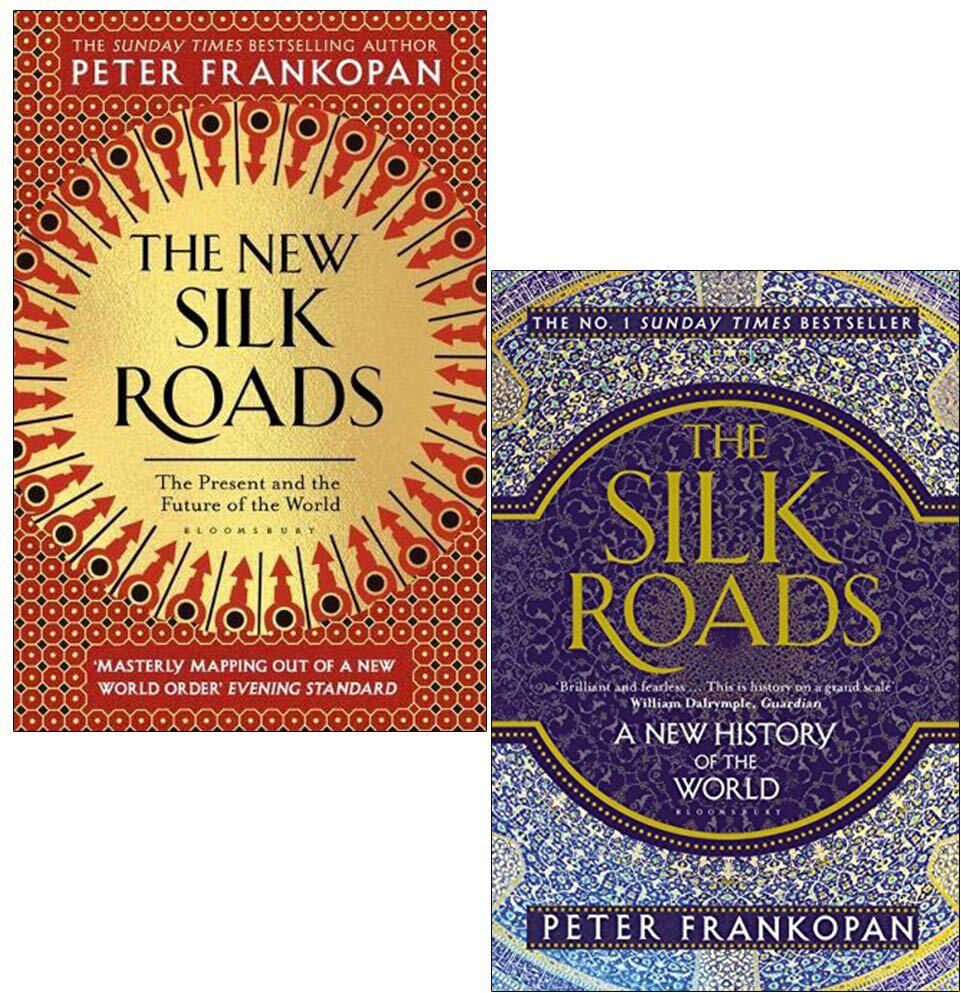
Bloomsbury Publishing The Silk Roads & The New Silk Roads 2 Book Set by Peter Frankopan – History & Global Politics CollectionThe New Silk Roads The Present and Future of the World The New Silk Roads takes a fresh look at the relationships being formed along the length and breadth of the ancient trade routes today. The world is changing dramatically and in an age of Brexit and Trump; the themes of isolation and fragmentation permeating the western world stand in sharp contrast to events along the Silk Roads; where ties are being strengthened and mutual cooperation established.This prescient contemporary history provides a timely reminder that we live in a world that is profoundly interconnected. The Silk Roads: A New History of the World For centuries; fame and fortune were to be found in the west in the New World of the Americas. Today; it is the east which calls out to those in search of riches and adventure. Sweeping right across Central Asia and deep into China and India; a region that once took centre stage is again rising to dominate global politics; commerce and culture.16,98 £*Shipping: 2,99 £Secure redirect to the provider
-
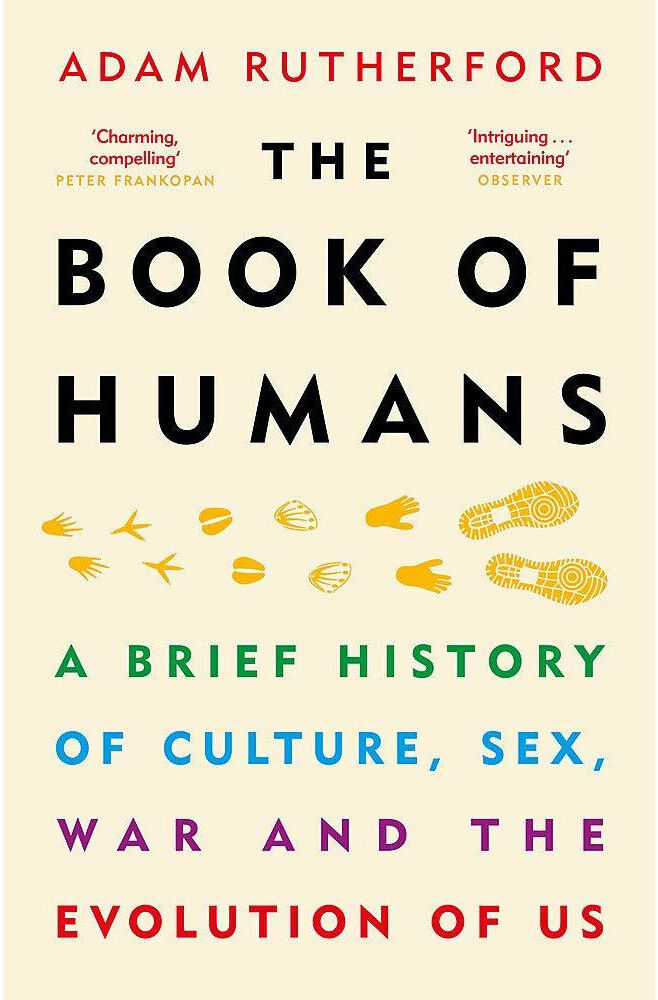
Orion The Book of Humans by Adam Rutherford – A Brief History of Culture, Sex, War & EvolutionWHAT MAKES US HUMAN? Waging war? Sex for pleasure? Creating art? Mastery of fire? In this thrilling tour of the animal kingdom, Adam Rutherford tells the story of how we became the unique creatures we are today. Illuminated by the latest scientific discoveries, THE BOOK OF HUMANS is a dazzling compendium of what unequivocally fixes us as animals, and reveals how we are extraordinary among them.4,98 £*Shipping: 1,99 £Secure redirect to the provider
-
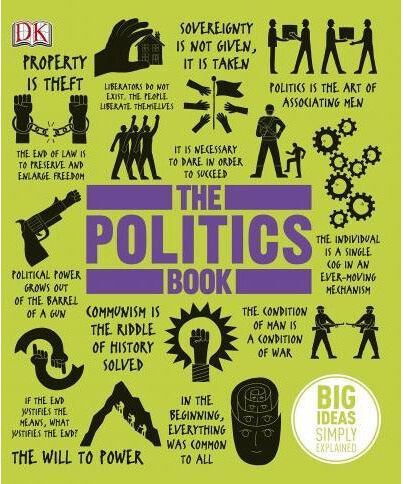
DK The Politics Book - Big Ideas Simply ExplainedThis invaluable; easy-to-understand guide to world politics and government offers an accessible introduction to more than 80 of the most important theories and big ideas of leaders and politicians throughout history. The Politics Book makes government and politics easy to understand by explaining the big ideas simply; using clear language supported by eye-catching graphics. The key events in political history are outlined from the origins of political thinking by Confucius and Aristotle to modern-day activists such as Martin Luther King and Nelson Mandela. Helpful mind maps break down their important concepts into bitesize chunks to make the subject accessible to students of politics and anyone with an interest in how government works. A handy reference section also provides a glossary of key terms and a directory of significant political figures. Filled with thought-provoking quotes from great political thinkers such as Nietzsche; Malcolm X; Karl Marx; and Mao Zedong; The Politics Book gives context to the world of government and power.12,99 £*Shipping: 2,99 £Secure redirect to the provider
-
What ecosystems are there in Germany?
Germany is home to a variety of ecosystems, including forests, grasslands, wetlands, rivers, lakes, and coastal areas. The country's diverse landscapes support a wide range of plant and animal species, making it a rich and important biodiversity hotspot. These ecosystems are carefully managed and protected through national parks, nature reserves, and conservation efforts to ensure their preservation for future generations. **
-
Why are streams or rivers open ecosystems?
Streams or rivers are open ecosystems because they are constantly exchanging energy and materials with their surrounding environment. They receive inputs of water, nutrients, and organic matter from the surrounding land, and they also release water and nutrients downstream. This constant flow of materials and energy allows for a high level of biodiversity and dynamic interactions between the organisms and their environment. Additionally, streams and rivers are often connected to other ecosystems such as wetlands, forests, and lakes, further contributing to their open nature. **
-
What are natural or near-natural ecosystems?
Natural or near-natural ecosystems are areas of land or water that have not been significantly altered by human activity. These ecosystems are characterized by a high degree of biodiversity and are home to a wide variety of plant and animal species. They are often self-sustaining and have complex interactions between different organisms and their environment. Examples of natural or near-natural ecosystems include old-growth forests, coral reefs, and wetlands. These ecosystems are important for maintaining ecological balance and providing essential services such as clean water, air, and habitat for wildlife. **
-
How do material cycles work in ecosystems?
Material cycles in ecosystems involve the movement and recycling of essential elements such as carbon, nitrogen, and phosphorus. These elements are taken up by plants from the soil or water, and then transferred to herbivores when they consume the plants. When the herbivores are eaten by carnivores, the elements are further transferred up the food chain. When organisms die, their bodies decompose, releasing the elements back into the environment to be taken up by plants again. This continuous cycling of materials ensures that essential elements are constantly being recycled and made available for use by different organisms in the ecosystem. **

What is the topic of ecosystems in biology?
Ecosystems in biology refer to the interactions between living organisms and their physical environment within a specific area. This topic explores how different species within an ecosystem depend on each other for survival, as well as how energy and nutrients flow through the ecosystem. Understanding ecosystems is crucial for studying biodiversity, conservation, and the impact of human activities on natural environments. **
Do decomposers exist in desert ecosystems at all?
Yes, decomposers do exist in desert ecosystems. While the extreme conditions of deserts, such as low moisture and high temperatures, can limit the abundance and diversity of decomposers, there are still organisms that play a role in breaking down organic matter. These may include bacteria, fungi, and invertebrates like termites and ants. Their activity is important for nutrient cycling and soil formation in desert environments. **
Top-Angebote
Products related to Ecosystems:
-
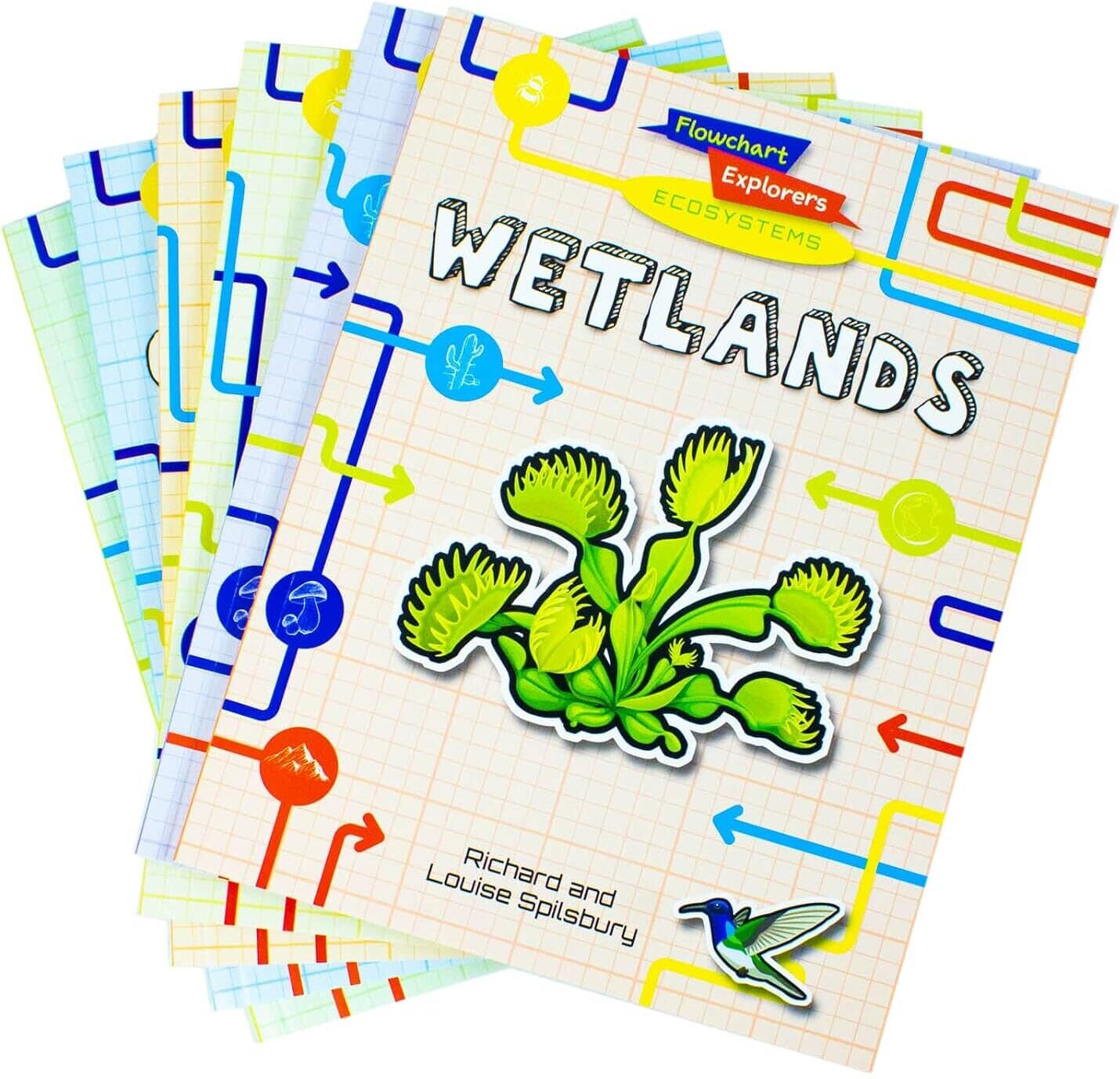
Flowchart Explorers Ecosystems Series 6 Books Collection Set - Ages 9-11 - Paperback Fox Eye PublishingEmbark on a journey of discovery with the "Flowchart Explorers Ecosystems STEM" 6-book set! Explore the wonders of deserts, grasslands, mountains, oceans, rainforests, and wetlands through engaging geography and science books. Titles In This Set: Deserts Grasslands Mountains Oceans Rain Forests Wetlands Description: Deserts Journey into the arid landscapes of deserts and uncover the unique adaptations of plants and animals to survive in extreme conditions. Explore the shifting sands and the fascinating life that thrives in these seemingly barren environments. Grasslands Roam the vast plains of grasslands and discover the rich biodiversity of these expansive ecosystems. Learn about the diverse wildlife, from grazing herbivores to cunning predators, and the essential role grasslands play in supporting life on Earth. Mountains Ascend to the towering peaks of mountains and explore the rugged terrain of these majestic landscapes. Discover the geological forces that shape mountains, the hardy flora and fauna that inhabit them, and the challenges of living at high altitudes. Oceans Dive into the depths of the oceans and unlock the mysteries of the world's largest and most vital ecosystems. From the sunlit surface to the abyssal depths, explore the incredible diversity of marine life and the interconnectedness of oceanic processes. Rain Forests Venture into the lush green canopies of rainforests and marvel at the incredible biodiversity found within these vibrant ecosystems. Discover the intricate relationships between plants, animals, and indigenous peoples, and the importance of conserving these irreplaceable habitats. Wetlands Wade into the tranquil waters of wetlands and explore the dynamic landscapes where water meets land. Learn about the diverse array of wetland ecosystems, from marshes to swamps, and their crucial role in filtering water, mitigating floods, and providing habitat for countless species.13,95 £*Shipping: 2,99 £Secure redirect to the provider
-
From the Archives: Black History and Culture Value PackThis brand-new series is rooted in a profound commitment to shedding light on some of the important -- and often lesser-known -- aspects of Black history. From the Archives features landmarks, events, people, and artistic endeavors that have played...26,99 $*Shipping: 0,00 $Secure redirect to the provider
-
DK The Little Book Of Series 6 Books Collection Set (Economics, Politics, Shakespeare, Philosophy, Psychology, History)The Little Book Of Economics From the earliest forms of currency to the Industrial Revolution, and from the birth of the stock market to free-market capitalism and globalized trade, The Little Book of Economics brings economic theory and the work of key economists to life. Journeying through centuries of economic thought, it is the perfect pocket-sized guide to the subject. The Little Book Of Politics From the origins of democracy to Machiavelli's cunning statecraft, and from Rousseau's "social contract" to the American Declaration of Independence, Marxist communism, the dawn of populism, and identity politics, The Little Book of Politics examines the philosophies behind the different political beliefs and methods of government used around the world over the course of human history. The Little Book Of Shakespeare This bold book covers every work, from the comedies of Twelfth Night and As You Like It to the tragedies of Julius Caesar and Hamlet, plus lost plays and less well-known works of poetry. Easy-to-understand graphics and illustrations bring the themes, plots, characters and language of Shakespeare to life, including illustrated timelines which offer an at-a-glance summary of the action for each play. With detailed plot summaries and an in-depth analysis of the major characters and themes, this is a brilliant, innovative exploration of the entire canon of Shakespeare plays, sonnets and poetry. The Little Book Of Philosophy To the complete novice learning about philosophy can be daunting - The Little Book of Philosophy changes all that. With the use of powerful and easy-to-follow images, famous quotations, and explanations that are easily understandable, this book cuts through any misunderstandings to demystify the subject. The Little Book Of Psychology DK's The Little Book of Psychology answers all these questions and provides an insight into this fascinating field of science. Whether you are a student, an expert, a novice, or have a general interest in the human mind, this portable guide is the perfect choice to start exploring and understanding psychology. The Little Book Of History The Little Book of History charts world history from the dawn of civilisation to the modern culture we live in today. From the origins of homo-sapiens to the release of Nelson Mandela, from the French Revolution to the Space Race, The Little Book of History is a stunning exploration of the human timeline up to and including modern Islam, the world wide web, and the global financial crisis.14,99 £*Shipping: 2,99 £Secure redirect to the provider
-
Bloomsbury Publishing The Silk Roads & The New Silk Roads 2 Book Set by Peter Frankopan – History & Global Politics CollectionThe New Silk Roads The Present and Future of the World The New Silk Roads takes a fresh look at the relationships being formed along the length and breadth of the ancient trade routes today. The world is changing dramatically and in an age of Brexit and Trump; the themes of isolation and fragmentation permeating the western world stand in sharp contrast to events along the Silk Roads; where ties are being strengthened and mutual cooperation established.This prescient contemporary history provides a timely reminder that we live in a world that is profoundly interconnected. The Silk Roads: A New History of the World For centuries; fame and fortune were to be found in the west in the New World of the Americas. Today; it is the east which calls out to those in search of riches and adventure. Sweeping right across Central Asia and deep into China and India; a region that once took centre stage is again rising to dominate global politics; commerce and culture.16,98 £*Shipping: 2,99 £Secure redirect to the provider
-
What are the food relationships and biomass turnover in ecosystems?
Food relationships in ecosystems refer to the interactions between different organisms as they consume and are consumed by one another. This includes predator-prey relationships, as well as the flow of energy and nutrients through the food chain. Biomass turnover refers to the rate at which organic matter is produced and decomposed within an ecosystem. This turnover is essential for maintaining the balance of nutrients and energy within the ecosystem, as dead organic matter is broken down and recycled into the environment, providing resources for new growth. Together, food relationships and biomass turnover play a crucial role in the functioning and sustainability of ecosystems. **
-
Do closed ecosystems work in aquaristics?
Closed ecosystems, also known as self-sustaining ecosystems, can work in aquaristics under the right conditions. These ecosystems can be created in a sealed environment such as a fish tank, where the balance of plants, animals, and microorganisms can sustain themselves without external inputs. However, maintaining a truly closed ecosystem can be challenging, as it requires careful monitoring and management to ensure that all components are in balance. Additionally, closed ecosystems may not be suitable for all types of aquatic life, and some species may require more specific environmental conditions that cannot be fully replicated in a closed system. **
-
What ecosystems are there in Germany?
Germany is home to a variety of ecosystems, including forests, grasslands, wetlands, rivers, lakes, and coastal areas. The country's diverse landscapes support a wide range of plant and animal species, making it a rich and important biodiversity hotspot. These ecosystems are carefully managed and protected through national parks, nature reserves, and conservation efforts to ensure their preservation for future generations. **
-
Why are streams or rivers open ecosystems?
Streams or rivers are open ecosystems because they are constantly exchanging energy and materials with their surrounding environment. They receive inputs of water, nutrients, and organic matter from the surrounding land, and they also release water and nutrients downstream. This constant flow of materials and energy allows for a high level of biodiversity and dynamic interactions between the organisms and their environment. Additionally, streams and rivers are often connected to other ecosystems such as wetlands, forests, and lakes, further contributing to their open nature. **
Similar search terms for Ecosystems
-
Orion The Book of Humans by Adam Rutherford – A Brief History of Culture, Sex, War & EvolutionWHAT MAKES US HUMAN? Waging war? Sex for pleasure? Creating art? Mastery of fire? In this thrilling tour of the animal kingdom, Adam Rutherford tells the story of how we became the unique creatures we are today. Illuminated by the latest scientific discoveries, THE BOOK OF HUMANS is a dazzling compendium of what unequivocally fixes us as animals, and reveals how we are extraordinary among them.4,98 £*Shipping: 1,99 £Secure redirect to the provider
-
DK The Politics Book - Big Ideas Simply ExplainedThis invaluable; easy-to-understand guide to world politics and government offers an accessible introduction to more than 80 of the most important theories and big ideas of leaders and politicians throughout history. The Politics Book makes government and politics easy to understand by explaining the big ideas simply; using clear language supported by eye-catching graphics. The key events in political history are outlined from the origins of political thinking by Confucius and Aristotle to modern-day activists such as Martin Luther King and Nelson Mandela. Helpful mind maps break down their important concepts into bitesize chunks to make the subject accessible to students of politics and anyone with an interest in how government works. A handy reference section also provides a glossary of key terms and a directory of significant political figures. Filled with thought-provoking quotes from great political thinkers such as Nietzsche; Malcolm X; Karl Marx; and Mao Zedong; The Politics Book gives context to the world of government and power.12,99 £*Shipping: 2,99 £Secure redirect to the provider
-
Titan Assassins Creed - The Complete Visual History: The Definitive Visual HistoryThis stunning book explores the rich mythology of Assassins Creed®, featuring the art and history of the series from the first groundbreaking game through the graphic novels to the DLCs. Highlighting the lush and vibrant art that has become a hallmark of the series, this luxury coffee-table book brings the games famous historical locations and figures to life and explores the evolution of each iconic Assassin and Templar.15,99 £*Shipping: 2,99 £Secure redirect to the provider
-
The Little Book of Politics (DK Big Ideas Series)This politics book is the perfect pocket-sized introduction to politics ideas and political thought throughout history. From the origins of democracy to Machiavelli's cunning statecraft, and from Rousseau's "social contract" to the American Declaration of Independence, Marxist communism, the dawn of populism, and identity politics, The Little Book of Politics examines the philosophies behind the different political beliefs and methods of government used around the world over the course of human history. Packed with diagrams and flowcharts that explain complex concepts in a simple but exciting way, this introduction to politics offers you a combination of clear text and hard-working diagrams in a portable format that is perfect for reading on the go.5,99 £*Shipping: 2,99 £Secure redirect to the provider
-
What are natural or near-natural ecosystems?
Natural or near-natural ecosystems are areas of land or water that have not been significantly altered by human activity. These ecosystems are characterized by a high degree of biodiversity and are home to a wide variety of plant and animal species. They are often self-sustaining and have complex interactions between different organisms and their environment. Examples of natural or near-natural ecosystems include old-growth forests, coral reefs, and wetlands. These ecosystems are important for maintaining ecological balance and providing essential services such as clean water, air, and habitat for wildlife. **
-
How do material cycles work in ecosystems?
Material cycles in ecosystems involve the movement and recycling of essential elements such as carbon, nitrogen, and phosphorus. These elements are taken up by plants from the soil or water, and then transferred to herbivores when they consume the plants. When the herbivores are eaten by carnivores, the elements are further transferred up the food chain. When organisms die, their bodies decompose, releasing the elements back into the environment to be taken up by plants again. This continuous cycling of materials ensures that essential elements are constantly being recycled and made available for use by different organisms in the ecosystem. **
-
What is the topic of ecosystems in biology?
Ecosystems in biology refer to the interactions between living organisms and their physical environment within a specific area. This topic explores how different species within an ecosystem depend on each other for survival, as well as how energy and nutrients flow through the ecosystem. Understanding ecosystems is crucial for studying biodiversity, conservation, and the impact of human activities on natural environments. **
-
Do decomposers exist in desert ecosystems at all?
Yes, decomposers do exist in desert ecosystems. While the extreme conditions of deserts, such as low moisture and high temperatures, can limit the abundance and diversity of decomposers, there are still organisms that play a role in breaking down organic matter. These may include bacteria, fungi, and invertebrates like termites and ants. Their activity is important for nutrient cycling and soil formation in desert environments. **
* All prices are inclusive of VAT and, if applicable, plus shipping costs. The offer information is based on the details provided by the respective shop and is updated through automated processes. Real-time updates do not occur, so deviations can occur in individual cases. ** Note: Parts of this content were created by AI.