Buy ukrgazeta.eu ?
We are moving the project
ukrgazeta.eu .
Are you interested in purchasing the domain
ukrgazeta.eu ?
domain@kv-gmbh.de · 0541-91531010
Buy ukrgazeta.eu ?
What connections exist between the Nazi economy, Nazi ideology, and practical politics?
The Nazi economy, ideology, and practical politics were deeply interconnected. The Nazi economy was based on the idea of autarky, or self-sufficiency, and was geared towards rearmament and war. This economic focus was driven by the Nazi ideology of expansionism, racial superiority, and the need for Lebensraum (living space) for the German people. In practical politics, the Nazi regime implemented policies such as the persecution of Jews, the annexation of territories, and the suppression of political opposition to achieve their economic and ideological goals. Overall, the Nazi economy, ideology, and practical politics were all intertwined in the pursuit of Nazi expansionist and racist objectives. **
Is a Nazi a Nazi?
Yes, a Nazi is a person who subscribes to the beliefs and ideologies of the National Socialist German Workers' Party, which was led by Adolf Hitler in Germany during the 1930s and 1940s. The term "Nazi" specifically refers to a member or supporter of this party and its extreme nationalist, racist, and anti-Semitic views. Therefore, someone who identifies as a Nazi or aligns with these beliefs can be accurately described as a Nazi. **
Similar search terms for Nazi
Top-Angebote
Products related to Nazi:
-
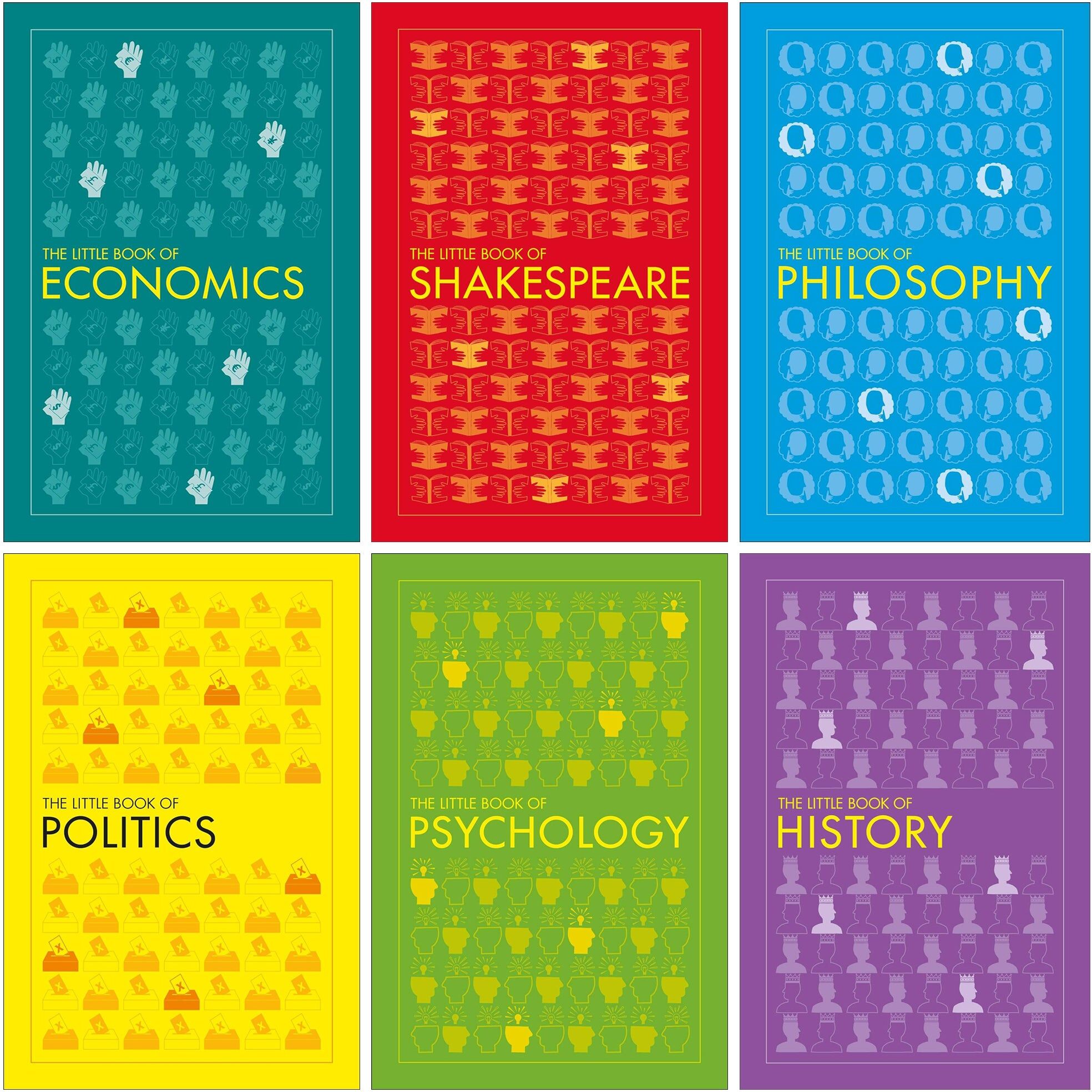
DK The Little Book Of Series 6 Books Collection Set (Economics, Politics, Shakespeare, Philosophy, Psychology, History)The Little Book Of Economics From the earliest forms of currency to the Industrial Revolution, and from the birth of the stock market to free-market capitalism and globalized trade, The Little Book of Economics brings economic theory and the work of key economists to life. Journeying through centuries of economic thought, it is the perfect pocket-sized guide to the subject. The Little Book Of Politics From the origins of democracy to Machiavelli's cunning statecraft, and from Rousseau's "social contract" to the American Declaration of Independence, Marxist communism, the dawn of populism, and identity politics, The Little Book of Politics examines the philosophies behind the different political beliefs and methods of government used around the world over the course of human history. The Little Book Of Shakespeare This bold book covers every work, from the comedies of Twelfth Night and As You Like It to the tragedies of Julius Caesar and Hamlet, plus lost plays and less well-known works of poetry. Easy-to-understand graphics and illustrations bring the themes, plots, characters and language of Shakespeare to life, including illustrated timelines which offer an at-a-glance summary of the action for each play. With detailed plot summaries and an in-depth analysis of the major characters and themes, this is a brilliant, innovative exploration of the entire canon of Shakespeare plays, sonnets and poetry. The Little Book Of Philosophy To the complete novice learning about philosophy can be daunting - The Little Book of Philosophy changes all that. With the use of powerful and easy-to-follow images, famous quotations, and explanations that are easily understandable, this book cuts through any misunderstandings to demystify the subject. The Little Book Of Psychology DK's The Little Book of Psychology answers all these questions and provides an insight into this fascinating field of science. Whether you are a student, an expert, a novice, or have a general interest in the human mind, this portable guide is the perfect choice to start exploring and understanding psychology. The Little Book Of History The Little Book of History charts world history from the dawn of civilisation to the modern culture we live in today. From the origins of homo-sapiens to the release of Nelson Mandela, from the French Revolution to the Space Race, The Little Book of History is a stunning exploration of the human timeline up to and including modern Islam, the world wide web, and the global financial crisis.14,99 £*Shipping: 2,99 £Secure redirect to the provider
-
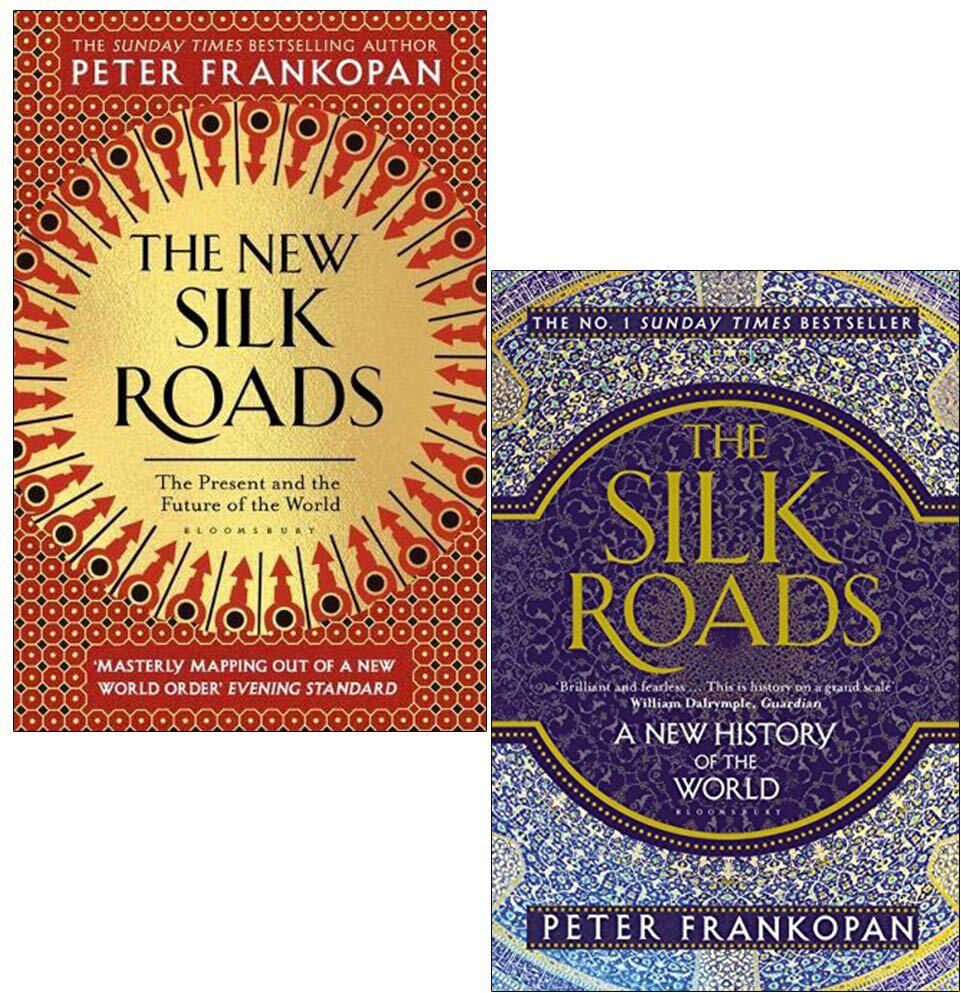
Bloomsbury Publishing The Silk Roads & The New Silk Roads 2 Book Set by Peter Frankopan – History & Global Politics CollectionThe New Silk Roads The Present and Future of the World The New Silk Roads takes a fresh look at the relationships being formed along the length and breadth of the ancient trade routes today. The world is changing dramatically and in an age of Brexit and Trump; the themes of isolation and fragmentation permeating the western world stand in sharp contrast to events along the Silk Roads; where ties are being strengthened and mutual cooperation established.This prescient contemporary history provides a timely reminder that we live in a world that is profoundly interconnected. The Silk Roads: A New History of the World For centuries; fame and fortune were to be found in the west in the New World of the Americas. Today; it is the east which calls out to those in search of riches and adventure. Sweeping right across Central Asia and deep into China and India; a region that once took centre stage is again rising to dominate global politics; commerce and culture.16,98 £*Shipping: 2,99 £Secure redirect to the provider
-
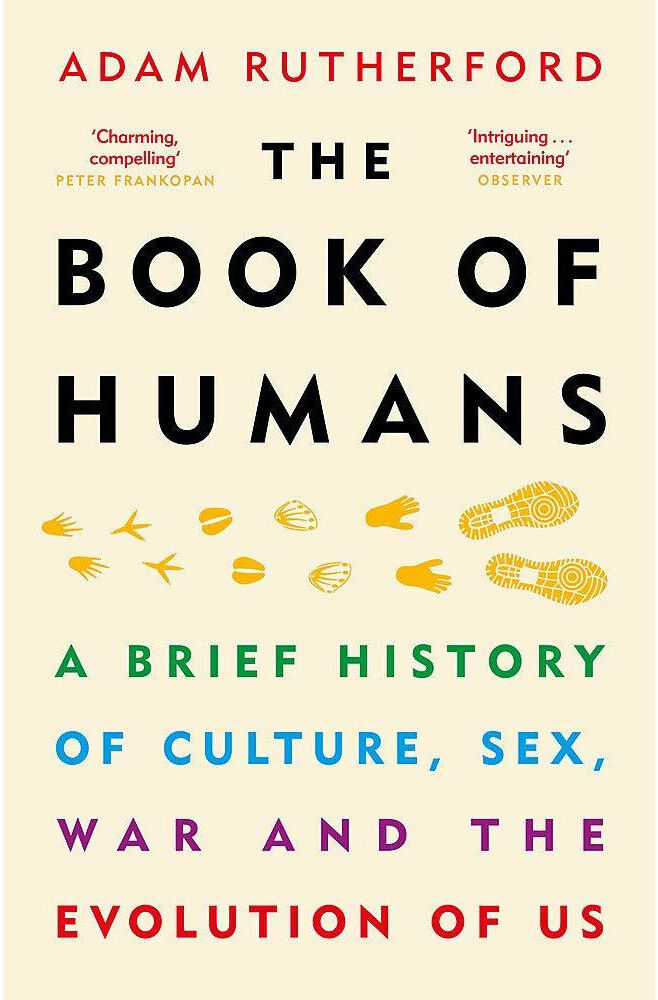
Orion The Book of Humans by Adam Rutherford – A Brief History of Culture, Sex, War & EvolutionWHAT MAKES US HUMAN? Waging war? Sex for pleasure? Creating art? Mastery of fire? In this thrilling tour of the animal kingdom, Adam Rutherford tells the story of how we became the unique creatures we are today. Illuminated by the latest scientific discoveries, THE BOOK OF HUMANS is a dazzling compendium of what unequivocally fixes us as animals, and reveals how we are extraordinary among them.4,98 £*Shipping: 1,99 £Secure redirect to the provider
-
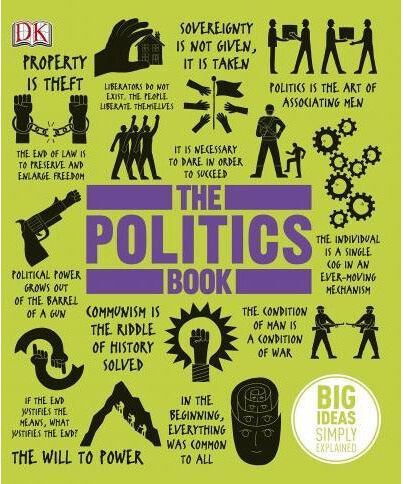
DK The Politics Book - Big Ideas Simply ExplainedThis invaluable; easy-to-understand guide to world politics and government offers an accessible introduction to more than 80 of the most important theories and big ideas of leaders and politicians throughout history. The Politics Book makes government and politics easy to understand by explaining the big ideas simply; using clear language supported by eye-catching graphics. The key events in political history are outlined from the origins of political thinking by Confucius and Aristotle to modern-day activists such as Martin Luther King and Nelson Mandela. Helpful mind maps break down their important concepts into bitesize chunks to make the subject accessible to students of politics and anyone with an interest in how government works. A handy reference section also provides a glossary of key terms and a directory of significant political figures. Filled with thought-provoking quotes from great political thinkers such as Nietzsche; Malcolm X; Karl Marx; and Mao Zedong; The Politics Book gives context to the world of government and power.12,99 £*Shipping: 2,99 £Secure redirect to the provider
-
What is the history of the Nazi ideology?
The Nazi ideology, also known as Nazism, was the ideology and practices associated with the Nazi Party in Germany under the leadership of Adolf Hitler. It emerged in the early 20th century and was characterized by extreme nationalism, racism, and anti-Semitism. The ideology was based on the belief in the superiority of the Aryan race and the need to purify the German nation by eliminating perceived threats such as Jews, communists, and other "undesirable" groups. The Nazis came to power in 1933 and implemented their ideology through policies of discrimination, persecution, and ultimately genocide during the Holocaust. After World War II, the ideology was discredited and outlawed in Germany, but its impact continues to be felt to this day. **
-
How would a Nazi or Neo-Nazi react?
A Nazi or Neo-Nazi would likely react with approval or support for the ideology and actions of the Nazi regime. They may express admiration for the policies of Adolf Hitler and the belief in the superiority of the Aryan race. They may also advocate for the suppression or elimination of minority groups, such as Jews, LGBTQ+ individuals, and people of color. Overall, their reaction would be one of alignment with fascist and white supremacist beliefs. **
-
What is the difference between Nazi and Neo-Nazi?
The term "Nazi" refers to members of the National Socialist German Workers' Party that existed in Germany from 1920 to 1945. They were responsible for the Holocaust and World War II. On the other hand, "Neo-Nazis" are individuals or groups that adhere to the ideology of Nazism in modern times. They often seek to revive and promote the beliefs and practices of the original Nazis, including white supremacy, anti-Semitism, and authoritarianism. **
-
Is one a Nazi if they admire a Nazi?
Admiring a Nazi or their ideology can be seen as a form of support for their beliefs and actions, which aligns with the principles of Nazism. While simply admiring a Nazi may not automatically make someone a Nazi themselves, it does raise serious ethical and moral concerns. It is important to critically examine the beliefs and actions of individuals and understand the impact of supporting such ideologies. **
Is one a Nazi if one venerates a Nazi?
Venerating a Nazi, or showing great respect or admiration for a Nazi, can be seen as supporting their ideologies and actions. By venerating a Nazi, one is essentially endorsing their beliefs in white supremacy, anti-Semitism, and violence. While simply admiring someone from a historical perspective may not make one a Nazi, actively venerating a Nazi figure can be seen as aligning oneself with their hateful and harmful ideologies. **
Is this Nazi?
No, this is not Nazi. The Nazi Party was a far-right political party in Germany that was active during the early to mid-20th century. This term is often used to refer to the ideology, beliefs, and actions associated with the Nazi Party and its leader, Adolf Hitler. It is important to be cautious when using this term, as it carries a heavy historical and moral significance. **
Top-Angebote
Products related to Nazi:
-
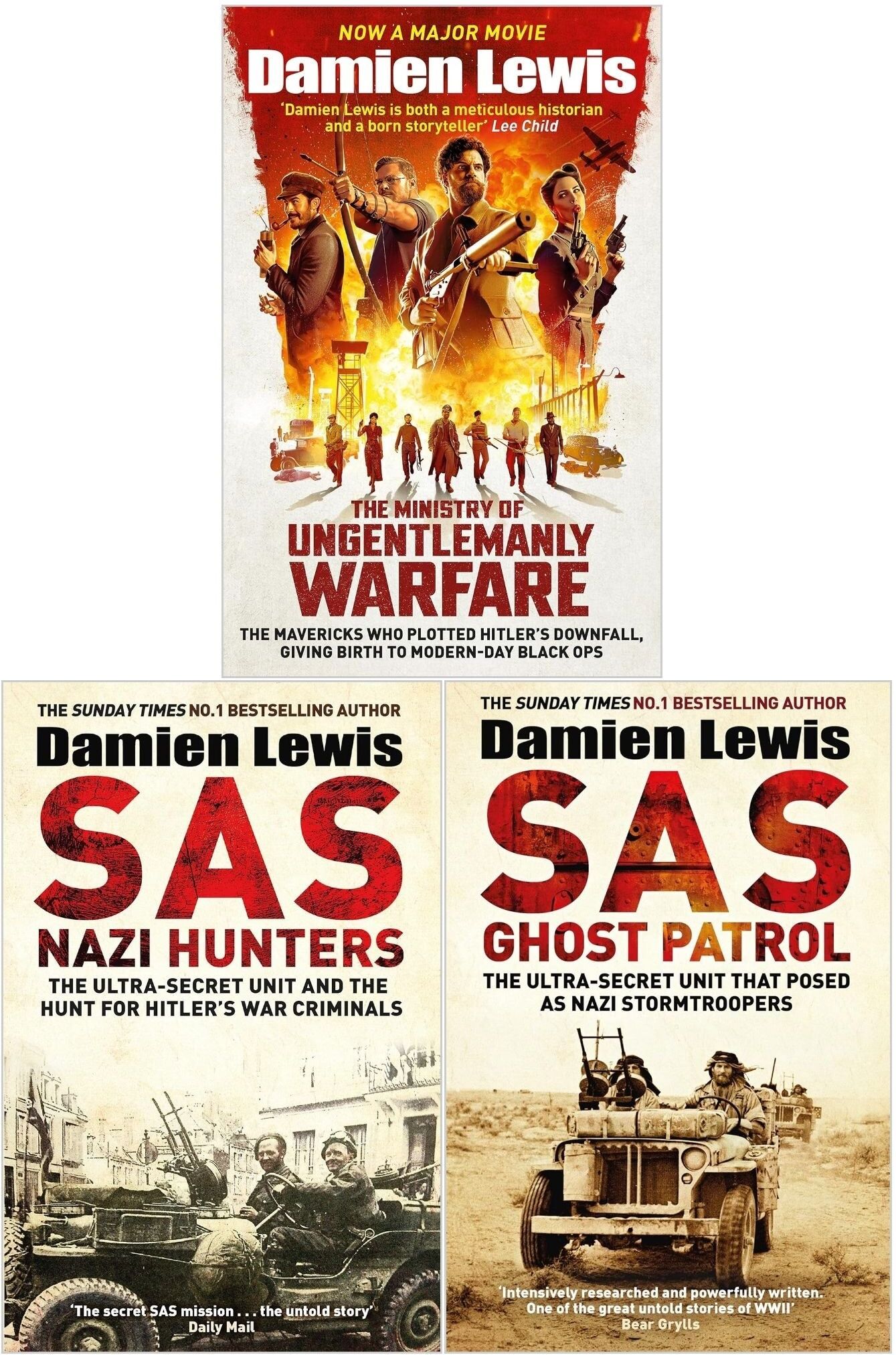
Quercus Damien Lewis 3 Books Collection Set (The Ministry of Ungentlemanly Warfare, SAS Ghost Patrol, SAS Nazi Hunters)The Ministry of Ungentlemanly Warfare In the bleak moments after defeat on mainland Europe in winter 1939, wartime leader Winston Churchill knew that Britain had to strike back hard. He recruited a band of eccentric free-thinking warriors to become the first 'deniable' secret operatives behind enemy lines, offering these volunteers nothing but the potential for glory and all-but-certain death. SAS Ghost Patrol SAS Ghost Patrol is the explosive true story of the day in 1942 when the SAS donned Nazi uniforms to perpetrate the most audacious and daring mission of the war. Beyond top secret, deniable in the extreme (and of course enjoying Churchill's enthusiastic blessing), this is one of the most remarkable stories of wartime lawlessness, eccentricity and raw courage in the face of impossible odds - a thoroughly British undertaking. SAS Nazi Hunters SAS Nazi Hunters is the incredible, hitherto untold story of the most secret chapter in the SAS's history. Officially, the world's most elite special forces unit was dissolved at the end of the Second World War, and not reactivated until the 1950s. Among their last actions was a disastrous commando raid into occupied France in 1944, which ended in the capture,torture and execution of 31 soldiers. It can now be revealed that the SAS never was dissolved: it lived on, commanded personally by Churchill and hidden even from the British government. They were tasked with hunting through the ruins of the Reich for the SS commanders responsible for the murder of their comrades, including many who had escaped the failed justice of the Nuremberg trials. Along the way, they discovered before anyone else the full horror of Hitler's regime, and the growing threat from Stalin's Russia.13,49 £*Shipping: 2,99 £Secure redirect to the provider
-
From the Archives: Black History and Culture Value PackThis brand-new series is rooted in a profound commitment to shedding light on some of the important -- and often lesser-known -- aspects of Black history. From the Archives features landmarks, events, people, and artistic endeavors that have played...26,99 $*Shipping: 0,00 $Secure redirect to the provider
-
DK The Little Book Of Series 6 Books Collection Set (Economics, Politics, Shakespeare, Philosophy, Psychology, History)The Little Book Of Economics From the earliest forms of currency to the Industrial Revolution, and from the birth of the stock market to free-market capitalism and globalized trade, The Little Book of Economics brings economic theory and the work of key economists to life. Journeying through centuries of economic thought, it is the perfect pocket-sized guide to the subject. The Little Book Of Politics From the origins of democracy to Machiavelli's cunning statecraft, and from Rousseau's "social contract" to the American Declaration of Independence, Marxist communism, the dawn of populism, and identity politics, The Little Book of Politics examines the philosophies behind the different political beliefs and methods of government used around the world over the course of human history. The Little Book Of Shakespeare This bold book covers every work, from the comedies of Twelfth Night and As You Like It to the tragedies of Julius Caesar and Hamlet, plus lost plays and less well-known works of poetry. Easy-to-understand graphics and illustrations bring the themes, plots, characters and language of Shakespeare to life, including illustrated timelines which offer an at-a-glance summary of the action for each play. With detailed plot summaries and an in-depth analysis of the major characters and themes, this is a brilliant, innovative exploration of the entire canon of Shakespeare plays, sonnets and poetry. The Little Book Of Philosophy To the complete novice learning about philosophy can be daunting - The Little Book of Philosophy changes all that. With the use of powerful and easy-to-follow images, famous quotations, and explanations that are easily understandable, this book cuts through any misunderstandings to demystify the subject. The Little Book Of Psychology DK's The Little Book of Psychology answers all these questions and provides an insight into this fascinating field of science. Whether you are a student, an expert, a novice, or have a general interest in the human mind, this portable guide is the perfect choice to start exploring and understanding psychology. The Little Book Of History The Little Book of History charts world history from the dawn of civilisation to the modern culture we live in today. From the origins of homo-sapiens to the release of Nelson Mandela, from the French Revolution to the Space Race, The Little Book of History is a stunning exploration of the human timeline up to and including modern Islam, the world wide web, and the global financial crisis.14,99 £*Shipping: 2,99 £Secure redirect to the provider
-
Bloomsbury Publishing The Silk Roads & The New Silk Roads 2 Book Set by Peter Frankopan – History & Global Politics CollectionThe New Silk Roads The Present and Future of the World The New Silk Roads takes a fresh look at the relationships being formed along the length and breadth of the ancient trade routes today. The world is changing dramatically and in an age of Brexit and Trump; the themes of isolation and fragmentation permeating the western world stand in sharp contrast to events along the Silk Roads; where ties are being strengthened and mutual cooperation established.This prescient contemporary history provides a timely reminder that we live in a world that is profoundly interconnected. The Silk Roads: A New History of the World For centuries; fame and fortune were to be found in the west in the New World of the Americas. Today; it is the east which calls out to those in search of riches and adventure. Sweeping right across Central Asia and deep into China and India; a region that once took centre stage is again rising to dominate global politics; commerce and culture.16,98 £*Shipping: 2,99 £Secure redirect to the provider
-
What connections exist between the Nazi economy, Nazi ideology, and practical politics?
The Nazi economy, ideology, and practical politics were deeply interconnected. The Nazi economy was based on the idea of autarky, or self-sufficiency, and was geared towards rearmament and war. This economic focus was driven by the Nazi ideology of expansionism, racial superiority, and the need for Lebensraum (living space) for the German people. In practical politics, the Nazi regime implemented policies such as the persecution of Jews, the annexation of territories, and the suppression of political opposition to achieve their economic and ideological goals. Overall, the Nazi economy, ideology, and practical politics were all intertwined in the pursuit of Nazi expansionist and racist objectives. **
-
Is a Nazi a Nazi?
Yes, a Nazi is a person who subscribes to the beliefs and ideologies of the National Socialist German Workers' Party, which was led by Adolf Hitler in Germany during the 1930s and 1940s. The term "Nazi" specifically refers to a member or supporter of this party and its extreme nationalist, racist, and anti-Semitic views. Therefore, someone who identifies as a Nazi or aligns with these beliefs can be accurately described as a Nazi. **
-
What is the history of the Nazi ideology?
The Nazi ideology, also known as Nazism, was the ideology and practices associated with the Nazi Party in Germany under the leadership of Adolf Hitler. It emerged in the early 20th century and was characterized by extreme nationalism, racism, and anti-Semitism. The ideology was based on the belief in the superiority of the Aryan race and the need to purify the German nation by eliminating perceived threats such as Jews, communists, and other "undesirable" groups. The Nazis came to power in 1933 and implemented their ideology through policies of discrimination, persecution, and ultimately genocide during the Holocaust. After World War II, the ideology was discredited and outlawed in Germany, but its impact continues to be felt to this day. **
-
How would a Nazi or Neo-Nazi react?
A Nazi or Neo-Nazi would likely react with approval or support for the ideology and actions of the Nazi regime. They may express admiration for the policies of Adolf Hitler and the belief in the superiority of the Aryan race. They may also advocate for the suppression or elimination of minority groups, such as Jews, LGBTQ+ individuals, and people of color. Overall, their reaction would be one of alignment with fascist and white supremacist beliefs. **
Similar search terms for Nazi
-
Orion The Book of Humans by Adam Rutherford – A Brief History of Culture, Sex, War & EvolutionWHAT MAKES US HUMAN? Waging war? Sex for pleasure? Creating art? Mastery of fire? In this thrilling tour of the animal kingdom, Adam Rutherford tells the story of how we became the unique creatures we are today. Illuminated by the latest scientific discoveries, THE BOOK OF HUMANS is a dazzling compendium of what unequivocally fixes us as animals, and reveals how we are extraordinary among them.4,98 £*Shipping: 1,99 £Secure redirect to the provider
-
DK The Politics Book - Big Ideas Simply ExplainedThis invaluable; easy-to-understand guide to world politics and government offers an accessible introduction to more than 80 of the most important theories and big ideas of leaders and politicians throughout history. The Politics Book makes government and politics easy to understand by explaining the big ideas simply; using clear language supported by eye-catching graphics. The key events in political history are outlined from the origins of political thinking by Confucius and Aristotle to modern-day activists such as Martin Luther King and Nelson Mandela. Helpful mind maps break down their important concepts into bitesize chunks to make the subject accessible to students of politics and anyone with an interest in how government works. A handy reference section also provides a glossary of key terms and a directory of significant political figures. Filled with thought-provoking quotes from great political thinkers such as Nietzsche; Malcolm X; Karl Marx; and Mao Zedong; The Politics Book gives context to the world of government and power.12,99 £*Shipping: 2,99 £Secure redirect to the provider
-
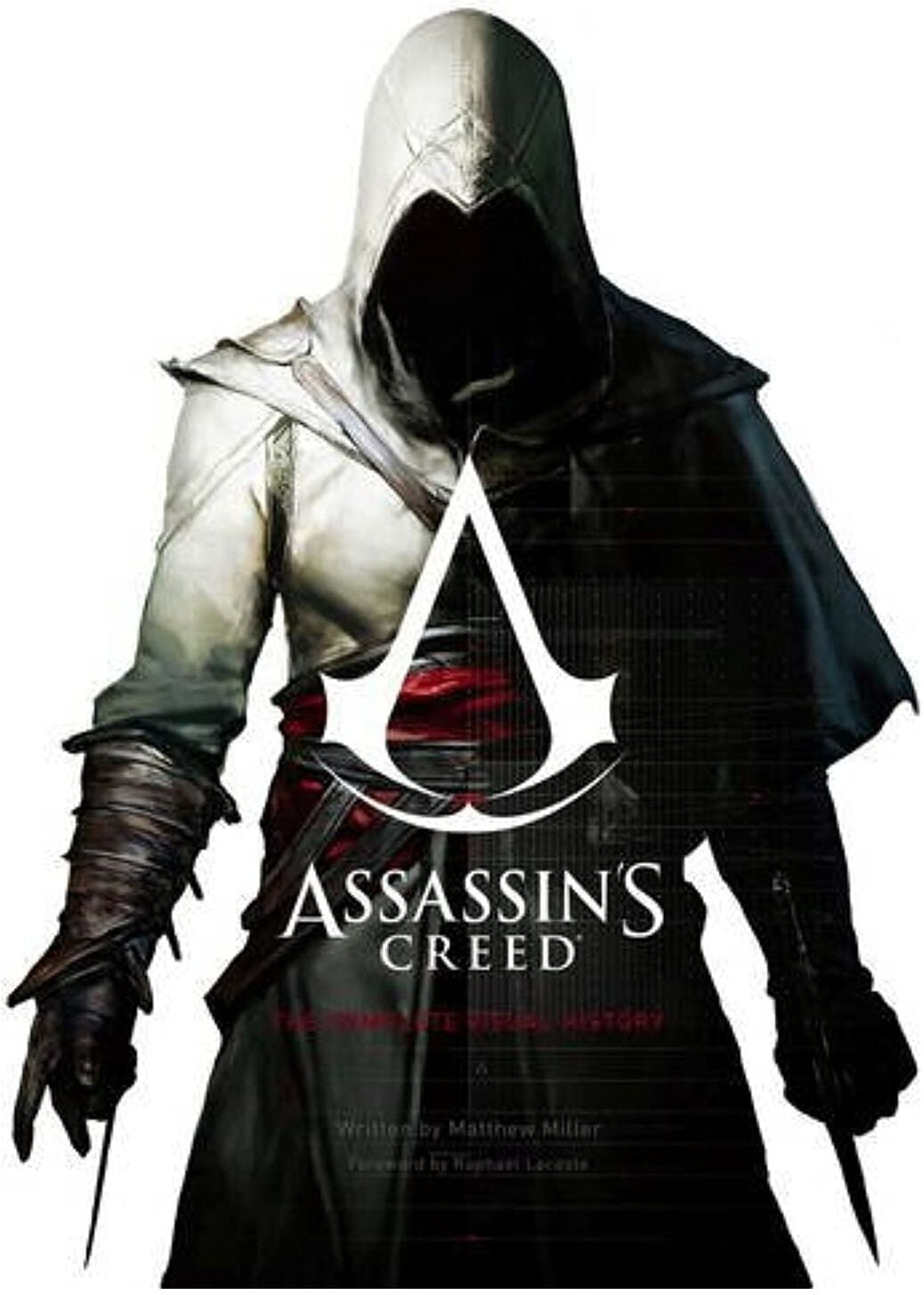
Titan Assassins Creed - The Complete Visual History: The Definitive Visual HistoryThis stunning book explores the rich mythology of Assassins Creed®, featuring the art and history of the series from the first groundbreaking game through the graphic novels to the DLCs. Highlighting the lush and vibrant art that has become a hallmark of the series, this luxury coffee-table book brings the games famous historical locations and figures to life and explores the evolution of each iconic Assassin and Templar.15,99 £*Shipping: 2,99 £Secure redirect to the provider
-
The Little Book of Politics (DK Big Ideas Series)This politics book is the perfect pocket-sized introduction to politics ideas and political thought throughout history. From the origins of democracy to Machiavelli's cunning statecraft, and from Rousseau's "social contract" to the American Declaration of Independence, Marxist communism, the dawn of populism, and identity politics, The Little Book of Politics examines the philosophies behind the different political beliefs and methods of government used around the world over the course of human history. Packed with diagrams and flowcharts that explain complex concepts in a simple but exciting way, this introduction to politics offers you a combination of clear text and hard-working diagrams in a portable format that is perfect for reading on the go.5,99 £*Shipping: 2,99 £Secure redirect to the provider
-
What is the difference between Nazi and Neo-Nazi?
The term "Nazi" refers to members of the National Socialist German Workers' Party that existed in Germany from 1920 to 1945. They were responsible for the Holocaust and World War II. On the other hand, "Neo-Nazis" are individuals or groups that adhere to the ideology of Nazism in modern times. They often seek to revive and promote the beliefs and practices of the original Nazis, including white supremacy, anti-Semitism, and authoritarianism. **
-
Is one a Nazi if they admire a Nazi?
Admiring a Nazi or their ideology can be seen as a form of support for their beliefs and actions, which aligns with the principles of Nazism. While simply admiring a Nazi may not automatically make someone a Nazi themselves, it does raise serious ethical and moral concerns. It is important to critically examine the beliefs and actions of individuals and understand the impact of supporting such ideologies. **
-
Is one a Nazi if one venerates a Nazi?
Venerating a Nazi, or showing great respect or admiration for a Nazi, can be seen as supporting their ideologies and actions. By venerating a Nazi, one is essentially endorsing their beliefs in white supremacy, anti-Semitism, and violence. While simply admiring someone from a historical perspective may not make one a Nazi, actively venerating a Nazi figure can be seen as aligning oneself with their hateful and harmful ideologies. **
-
Is this Nazi?
No, this is not Nazi. The Nazi Party was a far-right political party in Germany that was active during the early to mid-20th century. This term is often used to refer to the ideology, beliefs, and actions associated with the Nazi Party and its leader, Adolf Hitler. It is important to be cautious when using this term, as it carries a heavy historical and moral significance. **
* All prices are inclusive of VAT and, if applicable, plus shipping costs. The offer information is based on the details provided by the respective shop and is updated through automated processes. Real-time updates do not occur, so deviations can occur in individual cases. ** Note: Parts of this content were created by AI.