Buy ukrgazeta.eu ?
We are moving the project
ukrgazeta.eu .
Are you interested in purchasing the domain
ukrgazeta.eu ?
domain@kv-gmbh.de · 0541-91531010
Buy ukrgazeta.eu ?
What were the Reformation and Counter-Reformation?
The Reformation was a 16th-century movement within Christianity that aimed to reform the Roman Catholic Church. It was led by figures such as Martin Luther, John Calvin, and Huldrych Zwingli, who sought to address corruption and abuses within the Church. The Counter-Reformation, on the other hand, was the Catholic Church's response to the Reformation. It involved efforts to reaffirm and strengthen Catholic doctrine, as well as to address some of the criticisms raised by the reformers. The Council of Trent, held between 1545 and 1563, was a key event in the Counter-Reformation, as it outlined reforms and clarified Catholic teachings. **
What was the Reformation and the Counter-Reformation?
The Reformation was a 16th-century movement in Europe that sought to reform the Roman Catholic Church and resulted in the creation of Protestantism. It was sparked by Martin Luther's 95 Theses, which criticized the Church's practices and teachings. The Counter-Reformation was the Catholic Church's response to the Reformation, aiming to address the issues raised by the reformers and to reassert the Church's authority. It included efforts to reform the Church from within, as well as the establishment of the Inquisition to combat heresy. **
Similar search terms for Reformation
Top-Angebote
Products related to Reformation:
-
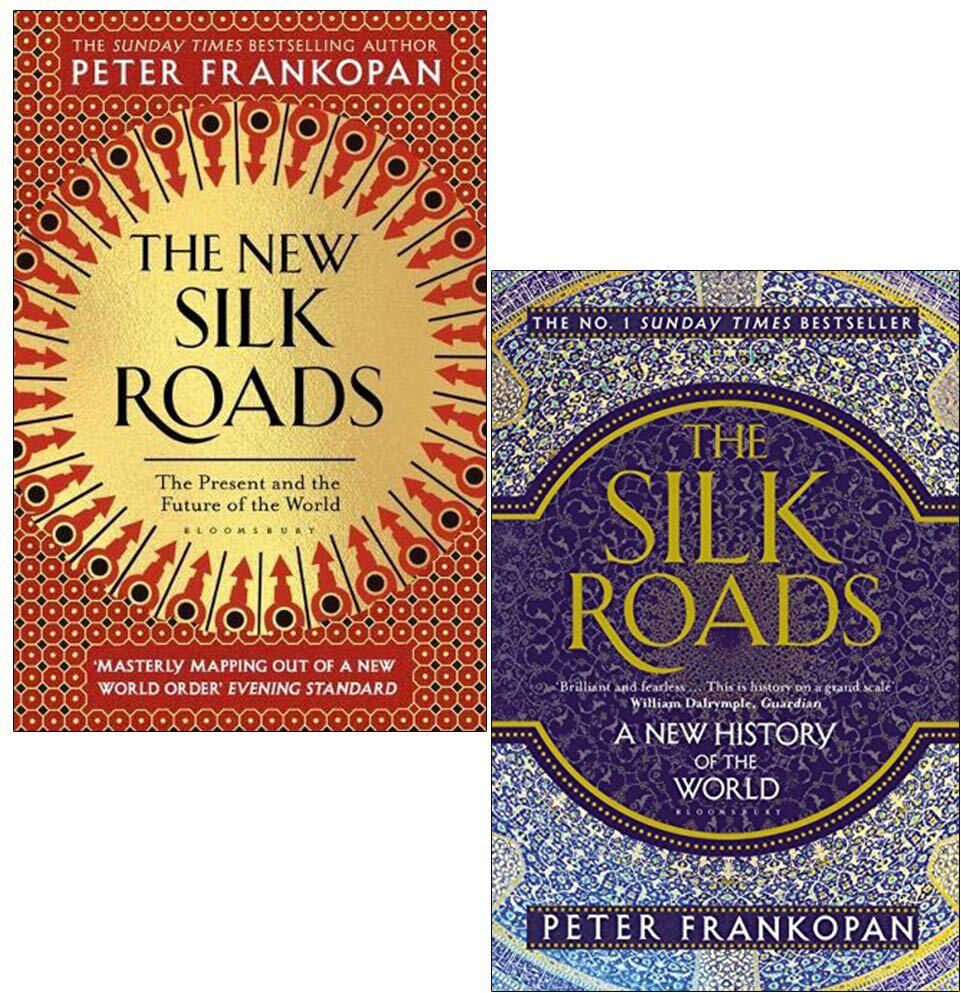
Bloomsbury Publishing The Silk Roads & The New Silk Roads 2 Book Set by Peter Frankopan – History & Global Politics CollectionThe New Silk Roads The Present and Future of the World The New Silk Roads takes a fresh look at the relationships being formed along the length and breadth of the ancient trade routes today. The world is changing dramatically and in an age of Brexit and Trump; the themes of isolation and fragmentation permeating the western world stand in sharp contrast to events along the Silk Roads; where ties are being strengthened and mutual cooperation established.This prescient contemporary history provides a timely reminder that we live in a world that is profoundly interconnected. The Silk Roads: A New History of the World For centuries; fame and fortune were to be found in the west in the New World of the Americas. Today; it is the east which calls out to those in search of riches and adventure. Sweeping right across Central Asia and deep into China and India; a region that once took centre stage is again rising to dominate global politics; commerce and culture.16,98 £*Shipping: 2,99 £Secure redirect to the provider
-
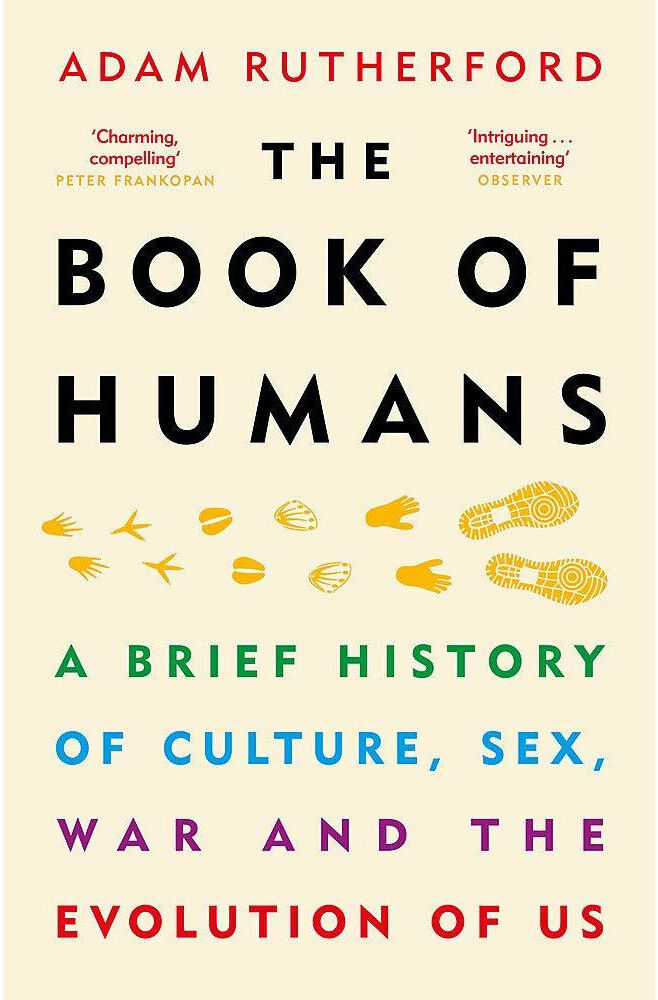
Orion The Book of Humans by Adam Rutherford – A Brief History of Culture, Sex, War & EvolutionWHAT MAKES US HUMAN? Waging war? Sex for pleasure? Creating art? Mastery of fire? In this thrilling tour of the animal kingdom, Adam Rutherford tells the story of how we became the unique creatures we are today. Illuminated by the latest scientific discoveries, THE BOOK OF HUMANS is a dazzling compendium of what unequivocally fixes us as animals, and reveals how we are extraordinary among them.4,98 £*Shipping: 1,99 £Secure redirect to the provider
-
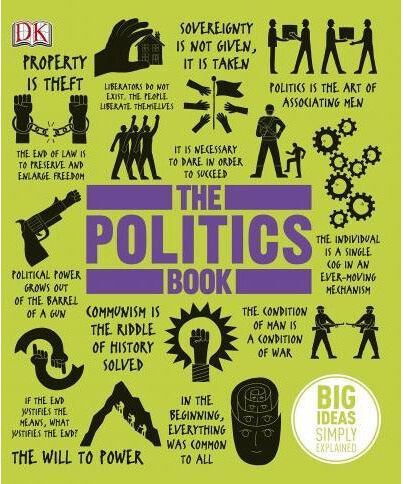
DK The Politics Book - Big Ideas Simply ExplainedThis invaluable; easy-to-understand guide to world politics and government offers an accessible introduction to more than 80 of the most important theories and big ideas of leaders and politicians throughout history. The Politics Book makes government and politics easy to understand by explaining the big ideas simply; using clear language supported by eye-catching graphics. The key events in political history are outlined from the origins of political thinking by Confucius and Aristotle to modern-day activists such as Martin Luther King and Nelson Mandela. Helpful mind maps break down their important concepts into bitesize chunks to make the subject accessible to students of politics and anyone with an interest in how government works. A handy reference section also provides a glossary of key terms and a directory of significant political figures. Filled with thought-provoking quotes from great political thinkers such as Nietzsche; Malcolm X; Karl Marx; and Mao Zedong; The Politics Book gives context to the world of government and power.12,99 £*Shipping: 2,99 £Secure redirect to the provider
-
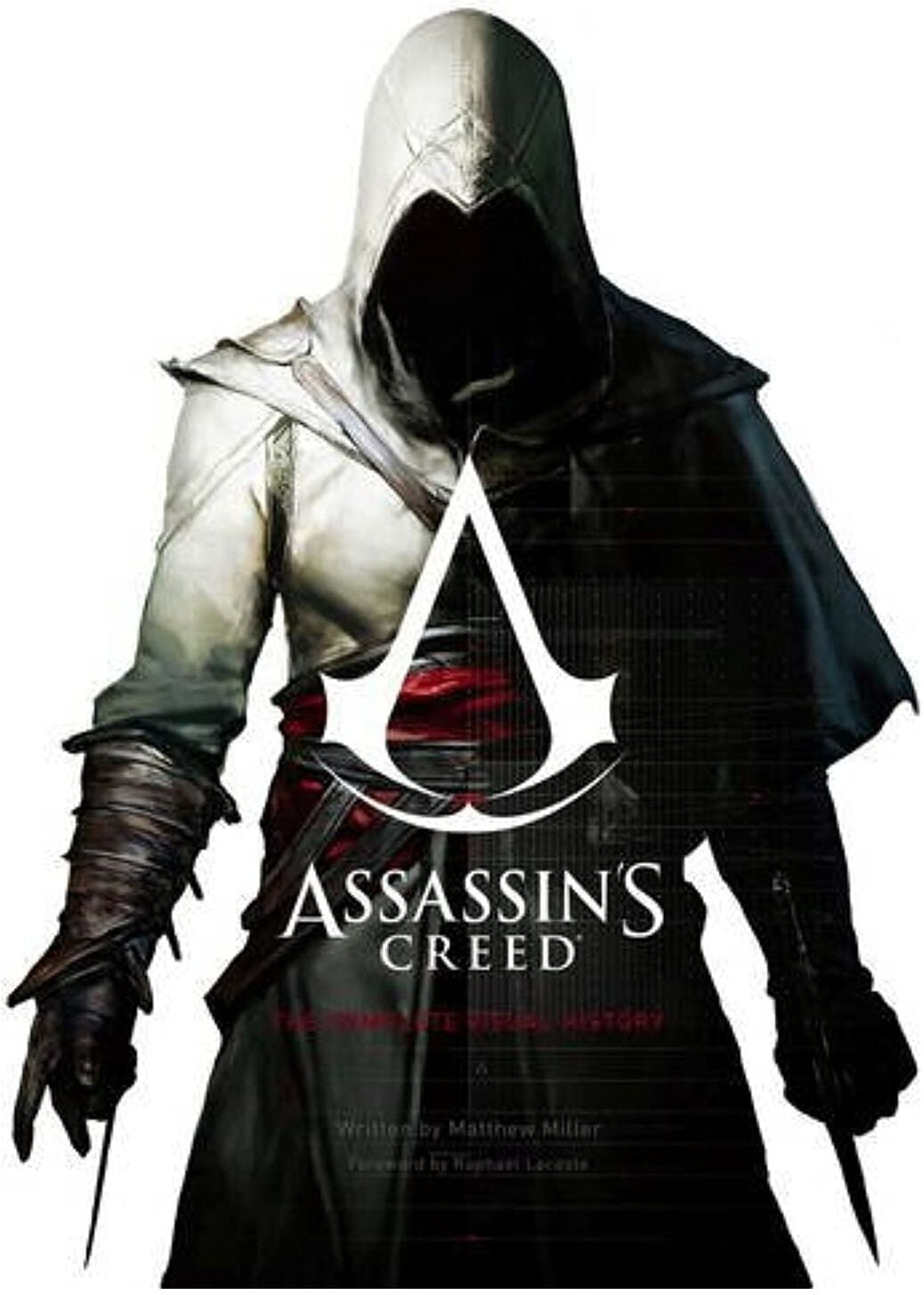
Titan Assassins Creed - The Complete Visual History: The Definitive Visual HistoryThis stunning book explores the rich mythology of Assassins Creed®, featuring the art and history of the series from the first groundbreaking game through the graphic novels to the DLCs. Highlighting the lush and vibrant art that has become a hallmark of the series, this luxury coffee-table book brings the games famous historical locations and figures to life and explores the evolution of each iconic Assassin and Templar.15,99 £*Shipping: 2,99 £Secure redirect to the provider
-
What is the history of the Reformation by Martin Luther?
The Reformation by Martin Luther was a significant movement in the 16th century that aimed to reform the practices and beliefs of the Catholic Church. Luther, a German monk and theologian, challenged the authority of the Pope and the church's teachings on salvation and the role of faith. In 1517, he famously nailed his 95 Theses to the door of the Castle Church in Wittenberg, sparking a wave of religious and social upheaval across Europe. The Reformation led to the formation of Protestantism and the eventual split of Western Christianity into Catholic and Protestant branches. **
-
Why were numerous universities founded during the Reformation and Counter-Reformation era?
Numerous universities were founded during the Reformation and Counter-Reformation era because of the increased demand for education and the need to train clergy and scholars in the theological and philosophical debates of the time. The Reformation led to a greater emphasis on the study of scripture and theology, prompting the establishment of Protestant universities to train ministers and scholars in these areas. On the other hand, the Counter-Reformation, led by the Catholic Church, also saw the founding of universities to educate clergy and counter the spread of Protestant ideas. Additionally, the printing press allowed for the dissemination of knowledge, leading to a greater demand for education and the establishment of more universities. **
-
Does the Princes' Reformation differ significantly from the People's Reformation under Luther?
Yes, the Princes' Reformation and the People's Reformation under Luther differ significantly. The Princes' Reformation was driven by political and economic motivations, as many German princes saw an opportunity to gain power and wealth by breaking away from the authority of the Catholic Church. On the other hand, the People's Reformation was more focused on religious and spiritual concerns, with Luther's teachings resonating with the common people who were seeking a more personal and direct relationship with God. Additionally, the Princes' Reformation often involved the use of force and coercion to implement religious changes, while the People's Reformation was more grassroots and organic in nature. **
-
What was the Counter-Reformation?
The Counter-Reformation was a period of Catholic resurgence in response to the Protestant Reformation. It was a movement within the Catholic Church to address the criticisms and challenges posed by the Protestant reformers. The Counter-Reformation involved efforts to reform the Church from within, combat heresy, and strengthen Catholic doctrine and practices. It also led to the founding of new religious orders, such as the Jesuits, to spread Catholicism and combat the spread of Protestantism. **
How was it before the Reformation?
Before the Reformation, the Catholic Church held significant power and influence over many aspects of society in Europe. The Church was the dominant religious institution, with a strong hierarchy led by the Pope in Rome. It controlled religious practices, education, and even had a say in political matters. The Church also collected tithes and sold indulgences, which were seen as a way to reduce punishment for sins. However, there were also criticisms of the Church's practices, such as corruption among clergy members, the selling of indulgences, and the lack of access to religious texts for the common people. These criticisms eventually led to the Reformation, a movement that sought to reform the Catholic Church and ultimately resulted in the establishment of Protestantism as a separate branch of Christianity. **
Is there a reformation among Catholics?
Yes, there have been movements within the Catholic Church that can be seen as a form of reformation. One example is the Second Vatican Council in the 1960s, which brought significant changes to the Church's practices and teachings. Additionally, there are ongoing discussions and debates within the Church about various issues, such as the role of women, the handling of sexual abuse scandals, and the approach to social justice. These movements can be seen as efforts to reform and renew the Catholic Church in response to the changing world. **
Top-Angebote
Products related to Reformation:
-
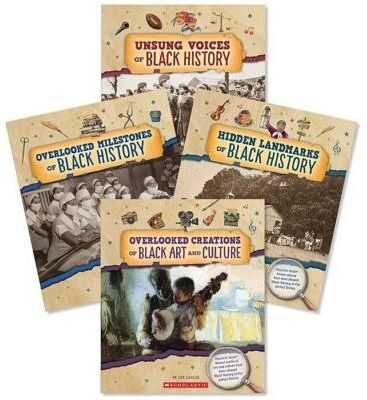
From the Archives: Black History and Culture Value PackThis brand-new series is rooted in a profound commitment to shedding light on some of the important -- and often lesser-known -- aspects of Black history. From the Archives features landmarks, events, people, and artistic endeavors that have played...26,99 $*Shipping: 0,00 $Secure redirect to the provider
-
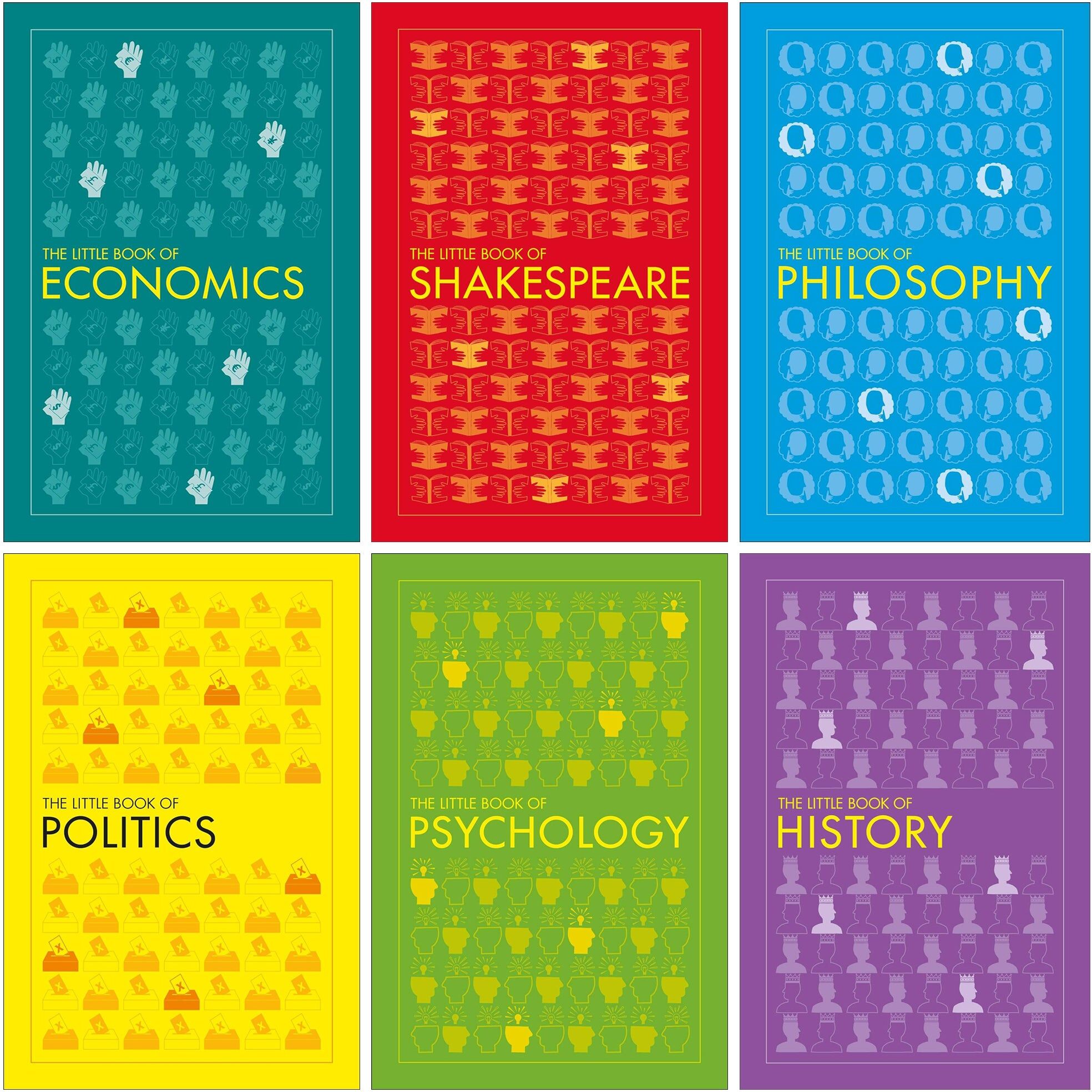
DK The Little Book Of Series 6 Books Collection Set (Economics, Politics, Shakespeare, Philosophy, Psychology, History)The Little Book Of Economics From the earliest forms of currency to the Industrial Revolution, and from the birth of the stock market to free-market capitalism and globalized trade, The Little Book of Economics brings economic theory and the work of key economists to life. Journeying through centuries of economic thought, it is the perfect pocket-sized guide to the subject. The Little Book Of Politics From the origins of democracy to Machiavelli's cunning statecraft, and from Rousseau's "social contract" to the American Declaration of Independence, Marxist communism, the dawn of populism, and identity politics, The Little Book of Politics examines the philosophies behind the different political beliefs and methods of government used around the world over the course of human history. The Little Book Of Shakespeare This bold book covers every work, from the comedies of Twelfth Night and As You Like It to the tragedies of Julius Caesar and Hamlet, plus lost plays and less well-known works of poetry. Easy-to-understand graphics and illustrations bring the themes, plots, characters and language of Shakespeare to life, including illustrated timelines which offer an at-a-glance summary of the action for each play. With detailed plot summaries and an in-depth analysis of the major characters and themes, this is a brilliant, innovative exploration of the entire canon of Shakespeare plays, sonnets and poetry. The Little Book Of Philosophy To the complete novice learning about philosophy can be daunting - The Little Book of Philosophy changes all that. With the use of powerful and easy-to-follow images, famous quotations, and explanations that are easily understandable, this book cuts through any misunderstandings to demystify the subject. The Little Book Of Psychology DK's The Little Book of Psychology answers all these questions and provides an insight into this fascinating field of science. Whether you are a student, an expert, a novice, or have a general interest in the human mind, this portable guide is the perfect choice to start exploring and understanding psychology. The Little Book Of History The Little Book of History charts world history from the dawn of civilisation to the modern culture we live in today. From the origins of homo-sapiens to the release of Nelson Mandela, from the French Revolution to the Space Race, The Little Book of History is a stunning exploration of the human timeline up to and including modern Islam, the world wide web, and the global financial crisis.14,99 £*Shipping: 2,99 £Secure redirect to the provider
-
Bloomsbury Publishing The Silk Roads & The New Silk Roads 2 Book Set by Peter Frankopan – History & Global Politics CollectionThe New Silk Roads The Present and Future of the World The New Silk Roads takes a fresh look at the relationships being formed along the length and breadth of the ancient trade routes today. The world is changing dramatically and in an age of Brexit and Trump; the themes of isolation and fragmentation permeating the western world stand in sharp contrast to events along the Silk Roads; where ties are being strengthened and mutual cooperation established.This prescient contemporary history provides a timely reminder that we live in a world that is profoundly interconnected. The Silk Roads: A New History of the World For centuries; fame and fortune were to be found in the west in the New World of the Americas. Today; it is the east which calls out to those in search of riches and adventure. Sweeping right across Central Asia and deep into China and India; a region that once took centre stage is again rising to dominate global politics; commerce and culture.16,98 £*Shipping: 2,99 £Secure redirect to the provider
-
Orion The Book of Humans by Adam Rutherford – A Brief History of Culture, Sex, War & EvolutionWHAT MAKES US HUMAN? Waging war? Sex for pleasure? Creating art? Mastery of fire? In this thrilling tour of the animal kingdom, Adam Rutherford tells the story of how we became the unique creatures we are today. Illuminated by the latest scientific discoveries, THE BOOK OF HUMANS is a dazzling compendium of what unequivocally fixes us as animals, and reveals how we are extraordinary among them.4,98 £*Shipping: 1,99 £Secure redirect to the provider
-
What were the Reformation and Counter-Reformation?
The Reformation was a 16th-century movement within Christianity that aimed to reform the Roman Catholic Church. It was led by figures such as Martin Luther, John Calvin, and Huldrych Zwingli, who sought to address corruption and abuses within the Church. The Counter-Reformation, on the other hand, was the Catholic Church's response to the Reformation. It involved efforts to reaffirm and strengthen Catholic doctrine, as well as to address some of the criticisms raised by the reformers. The Council of Trent, held between 1545 and 1563, was a key event in the Counter-Reformation, as it outlined reforms and clarified Catholic teachings. **
-
What was the Reformation and the Counter-Reformation?
The Reformation was a 16th-century movement in Europe that sought to reform the Roman Catholic Church and resulted in the creation of Protestantism. It was sparked by Martin Luther's 95 Theses, which criticized the Church's practices and teachings. The Counter-Reformation was the Catholic Church's response to the Reformation, aiming to address the issues raised by the reformers and to reassert the Church's authority. It included efforts to reform the Church from within, as well as the establishment of the Inquisition to combat heresy. **
-
What is the history of the Reformation by Martin Luther?
The Reformation by Martin Luther was a significant movement in the 16th century that aimed to reform the practices and beliefs of the Catholic Church. Luther, a German monk and theologian, challenged the authority of the Pope and the church's teachings on salvation and the role of faith. In 1517, he famously nailed his 95 Theses to the door of the Castle Church in Wittenberg, sparking a wave of religious and social upheaval across Europe. The Reformation led to the formation of Protestantism and the eventual split of Western Christianity into Catholic and Protestant branches. **
-
Why were numerous universities founded during the Reformation and Counter-Reformation era?
Numerous universities were founded during the Reformation and Counter-Reformation era because of the increased demand for education and the need to train clergy and scholars in the theological and philosophical debates of the time. The Reformation led to a greater emphasis on the study of scripture and theology, prompting the establishment of Protestant universities to train ministers and scholars in these areas. On the other hand, the Counter-Reformation, led by the Catholic Church, also saw the founding of universities to educate clergy and counter the spread of Protestant ideas. Additionally, the printing press allowed for the dissemination of knowledge, leading to a greater demand for education and the establishment of more universities. **
Similar search terms for Reformation
-
DK The Politics Book - Big Ideas Simply ExplainedThis invaluable; easy-to-understand guide to world politics and government offers an accessible introduction to more than 80 of the most important theories and big ideas of leaders and politicians throughout history. The Politics Book makes government and politics easy to understand by explaining the big ideas simply; using clear language supported by eye-catching graphics. The key events in political history are outlined from the origins of political thinking by Confucius and Aristotle to modern-day activists such as Martin Luther King and Nelson Mandela. Helpful mind maps break down their important concepts into bitesize chunks to make the subject accessible to students of politics and anyone with an interest in how government works. A handy reference section also provides a glossary of key terms and a directory of significant political figures. Filled with thought-provoking quotes from great political thinkers such as Nietzsche; Malcolm X; Karl Marx; and Mao Zedong; The Politics Book gives context to the world of government and power.12,99 £*Shipping: 2,99 £Secure redirect to the provider
-
Titan Assassins Creed - The Complete Visual History: The Definitive Visual HistoryThis stunning book explores the rich mythology of Assassins Creed®, featuring the art and history of the series from the first groundbreaking game through the graphic novels to the DLCs. Highlighting the lush and vibrant art that has become a hallmark of the series, this luxury coffee-table book brings the games famous historical locations and figures to life and explores the evolution of each iconic Assassin and Templar.15,99 £*Shipping: 2,99 £Secure redirect to the provider
-
The Little Book of Politics (DK Big Ideas Series)This politics book is the perfect pocket-sized introduction to politics ideas and political thought throughout history. From the origins of democracy to Machiavelli's cunning statecraft, and from Rousseau's "social contract" to the American Declaration of Independence, Marxist communism, the dawn of populism, and identity politics, The Little Book of Politics examines the philosophies behind the different political beliefs and methods of government used around the world over the course of human history. Packed with diagrams and flowcharts that explain complex concepts in a simple but exciting way, this introduction to politics offers you a combination of clear text and hard-working diagrams in a portable format that is perfect for reading on the go.5,99 £*Shipping: 2,99 £Secure redirect to the provider
-
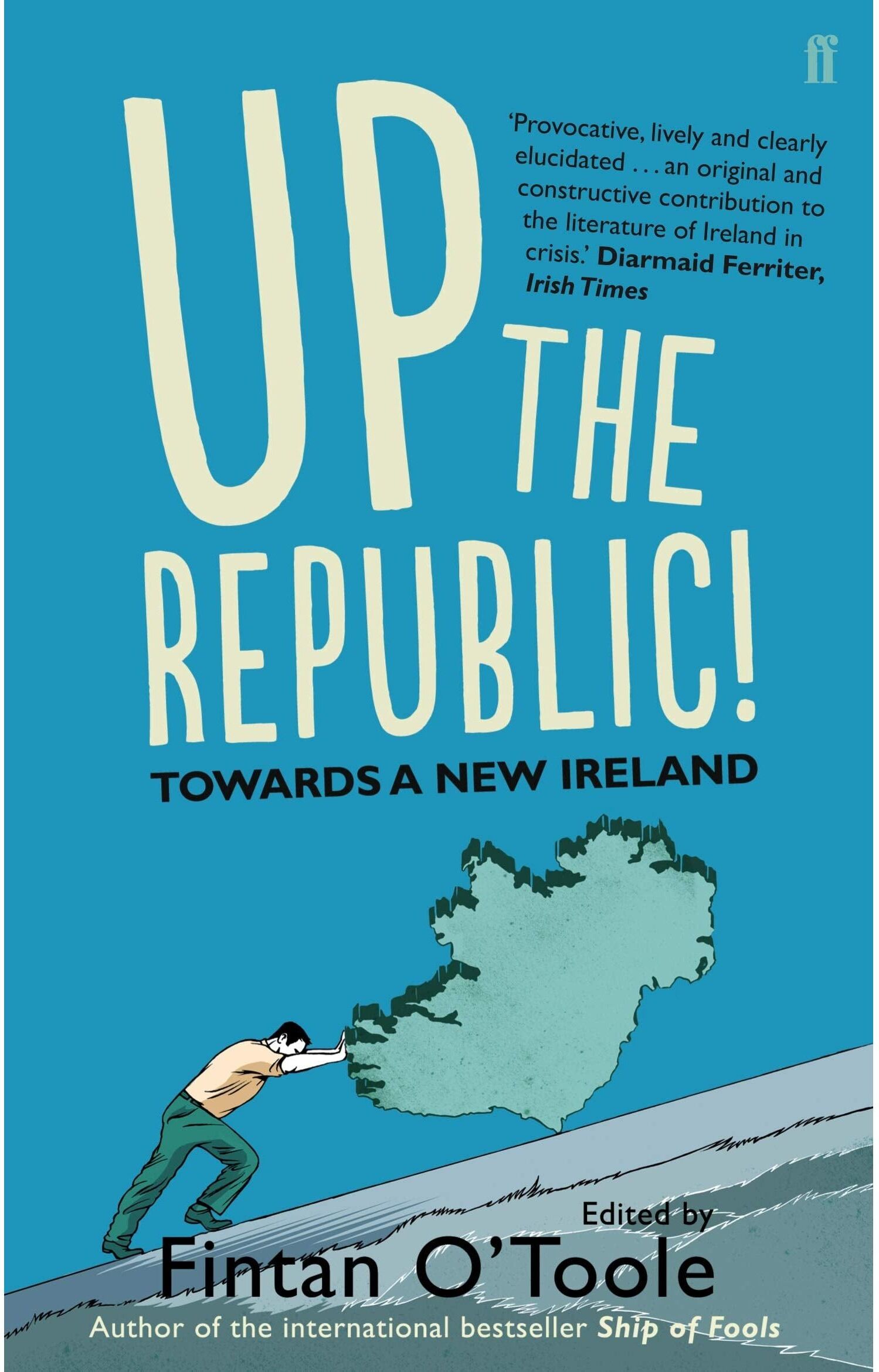
Faber Fintan O'Toole, Up the Republic! (Economic Book, Politics Book)Fintan O'Toole, Up the Republic! (Economic Book, Politics Book) In this important book, historians, lawyers, economists and writers come together to put a coherent case: that although the Irish economic collapse has resulted in national humiliation, renewed emigration and a decline in living standards for the majority of the population, there is still hope that the country can be reformed and renewed. Irish politicians offered the now notorious blanket guarantee to all the banks which had got in over their heads during the great property bubble - including one that had become little more than a criminal enterprise. A different set of politicians grimly enforces the consequences of that guarantee, locking an entire generation of Irish men and women into paying for the mistakes of greedy bankers and their corrupt friends in government. The energy of hope has to come from elsewhere. These essays demonstrate how simple measures and different economic and social policies could release that energy and fulfil the promise of an educated, literate and culturally vibrant people.4,99 £*Shipping: 1,99 £Secure redirect to the provider
-
Does the Princes' Reformation differ significantly from the People's Reformation under Luther?
Yes, the Princes' Reformation and the People's Reformation under Luther differ significantly. The Princes' Reformation was driven by political and economic motivations, as many German princes saw an opportunity to gain power and wealth by breaking away from the authority of the Catholic Church. On the other hand, the People's Reformation was more focused on religious and spiritual concerns, with Luther's teachings resonating with the common people who were seeking a more personal and direct relationship with God. Additionally, the Princes' Reformation often involved the use of force and coercion to implement religious changes, while the People's Reformation was more grassroots and organic in nature. **
-
What was the Counter-Reformation?
The Counter-Reformation was a period of Catholic resurgence in response to the Protestant Reformation. It was a movement within the Catholic Church to address the criticisms and challenges posed by the Protestant reformers. The Counter-Reformation involved efforts to reform the Church from within, combat heresy, and strengthen Catholic doctrine and practices. It also led to the founding of new religious orders, such as the Jesuits, to spread Catholicism and combat the spread of Protestantism. **
-
How was it before the Reformation?
Before the Reformation, the Catholic Church held significant power and influence over many aspects of society in Europe. The Church was the dominant religious institution, with a strong hierarchy led by the Pope in Rome. It controlled religious practices, education, and even had a say in political matters. The Church also collected tithes and sold indulgences, which were seen as a way to reduce punishment for sins. However, there were also criticisms of the Church's practices, such as corruption among clergy members, the selling of indulgences, and the lack of access to religious texts for the common people. These criticisms eventually led to the Reformation, a movement that sought to reform the Catholic Church and ultimately resulted in the establishment of Protestantism as a separate branch of Christianity. **
-
Is there a reformation among Catholics?
Yes, there have been movements within the Catholic Church that can be seen as a form of reformation. One example is the Second Vatican Council in the 1960s, which brought significant changes to the Church's practices and teachings. Additionally, there are ongoing discussions and debates within the Church about various issues, such as the role of women, the handling of sexual abuse scandals, and the approach to social justice. These movements can be seen as efforts to reform and renew the Catholic Church in response to the changing world. **
* All prices are inclusive of VAT and, if applicable, plus shipping costs. The offer information is based on the details provided by the respective shop and is updated through automated processes. Real-time updates do not occur, so deviations can occur in individual cases. ** Note: Parts of this content were created by AI.