Buy ukrgazeta.eu ?
We are moving the project
ukrgazeta.eu .
Are you interested in purchasing the domain
ukrgazeta.eu ?
domain@kv-gmbh.de · 0541-91531010
Buy ukrgazeta.eu ?
Is it worth studying history for teaching?
Studying history is definitely worth it for teaching. Understanding the past helps educators provide context and perspective to their students, enabling them to make connections between historical events and current issues. By studying history, teachers can also develop critical thinking skills, empathy, and a deeper understanding of human behavior, which are essential for effective teaching. Additionally, history provides a rich source of stories and examples that can make lessons more engaging and relevant for students. **
What is the teaching degree in history?
A teaching degree in history is typically a Bachelor of Education (B.Ed.) with a specialization in history. This degree program combines education courses with history content knowledge to prepare students to become history teachers. Graduates of this program are equipped with the necessary skills and knowledge to effectively teach history at the middle school or high school level. Additionally, they may also be required to obtain a teaching license or certification in their specific region or country. **
Similar search terms for Teaching
Top-Angebote
Products related to Teaching:
-
JoyToys Montessori Wooden Learning Clock Time Teaching Puzzle For Kids Montessori Wooden Learning Clock Time Teaching Puzzle For KidsLearn through play with our wooden learning clock, designed to help children confidently understand time while developing essential early learning skills. This engaging Montessori clock combines handson puzzle play with interactive time practice,...29,97 $*Shipping: 0,00 $Secure redirect to the provider
-
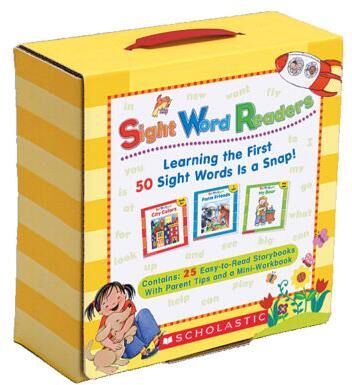
Scholastic Teaching Resources Sight Word Readers Parent PackHelp your child soar in reading with this set of 25 little books that teach 50 of the most frequently used words in print! Kids will love these playful stories they can read all by themselves. You'll love the fact that each one builds reading skills...23,99 $*Shipping: 0,00 $Secure redirect to the provider
-
Scholastic Teaching Resources Guided Science Readers Pack DSet your child on the path to reading success with this exciting collection of little books on favorite science topics: sea turtles, ladybugs, chicks, ice cream, sea turtles, and many more. These level D books feature engaging photos paired with...23,99 $*Shipping: 0,00 $Secure redirect to the provider



-
What are some ideas for teaching history?
1. Use primary sources: Incorporate documents, artifacts, and other primary sources to give students a firsthand look at historical events and perspectives. 2. Role-playing activities: Have students take on the roles of historical figures and act out key events or debates, allowing them to understand the complexities of historical decision-making. 3. Field trips: Take students to historical sites, museums, or local landmarks to provide a tangible connection to the past. 4. Multimedia presentations: Use videos, podcasts, and interactive online resources to engage students and provide different perspectives on historical events. 5. Debates and discussions: Encourage students to critically analyze historical events and engage in debates or discussions to understand different viewpoints and interpretations of history. **
-
What is the difference between history and history for teaching?
History is the study of past events, people, and societies, while history for teaching refers to the specific knowledge and skills needed to effectively teach history to students. History involves the analysis and interpretation of primary and secondary sources, understanding historical context, and making connections between past and present events. On the other hand, history for teaching focuses on pedagogical strategies, curriculum development, and the use of instructional materials to engage students in the study of history. In essence, history is the content knowledge, while history for teaching is the application of that knowledge in an educational setting. **
-
Can you study politics and sports for teaching degree?
Yes, it is possible to study politics and sports as part of a teaching degree program. Many education programs offer courses in various subjects, including politics and sports, to provide teachers with a well-rounded education. By studying these subjects, future teachers can gain a deeper understanding of how they intersect with education and society, allowing them to better engage with students and incorporate real-world examples into their teaching. Additionally, having knowledge in politics and sports can help teachers address current events and issues in the classroom, fostering critical thinking and discussion among students. **
-
Can one study politics and sports for teaching degree?
Yes, it is possible to study politics and sports as part of a teaching degree program. Many education programs offer courses in social studies or physical education that cover topics related to politics and sports. By studying these subjects, future teachers can gain a deeper understanding of how politics and sports intersect, and how they can incorporate these topics into their teaching curriculum to provide a well-rounded education for their students. **


Is a Latin certificate necessary for teaching history?
While a Latin certificate is not typically required for teaching history, having a background in Latin can be beneficial for history teachers, especially those focusing on ancient history or classical civilizations. Knowledge of Latin can provide a deeper understanding of primary sources and historical texts from the time period. However, it is not a strict requirement for teaching history and can vary depending on the specific school or curriculum. **
Can you study history and philosophy for teaching?
Yes, studying history and philosophy can be beneficial for teaching. Understanding the historical context of different events and ideas can provide valuable insights for teaching various subjects. Additionally, studying philosophy can help teachers develop critical thinking skills and ethical reasoning, which are important for guiding students in their learning and decision-making. Overall, a background in history and philosophy can enhance a teacher's ability to engage students in meaningful discussions and help them develop a deeper understanding of the world around them. **
Top-Angebote
Products related to Teaching:
-
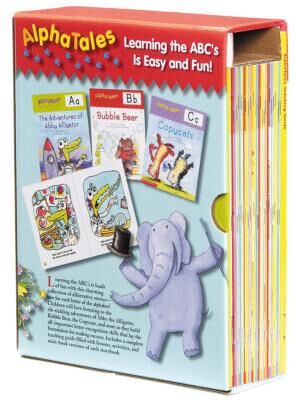
Scholastic Teaching Resources AlphaTales Box Set"A set of 26 irresistible animal storybooks that build phonemic awareness and teach each letter of the alphabet. Box set includes:- 26 full-color, 16-page 8"" x 10"" storybooks- 128-page teaching guide with lessons and mini-book versions of each..."74,99 $*Shipping: 0,00 $Secure redirect to the provider
-
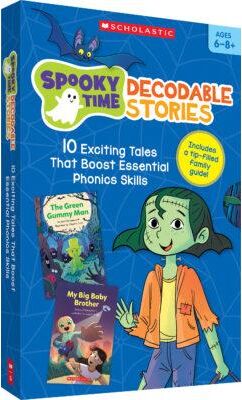
Scholastic Teaching Resources Spooky Time Decodable StoriesTime to take your child to the next level as a reader with this spooky set of humorous, highly decodable stories! Inside this box, you'll find 10 tales featuring 4-8 sentences per page and just-right text with words containing short and long vowels,...23,99 $*Shipping: 0,00 $Secure redirect to the provider
-
JoyToys Montessori Wooden Learning Clock Time Teaching Puzzle For Kids Montessori Wooden Learning Clock Time Teaching Puzzle For KidsLearn through play with our wooden learning clock, designed to help children confidently understand time while developing essential early learning skills. This engaging Montessori clock combines handson puzzle play with interactive time practice,...29,97 $*Shipping: 0,00 $Secure redirect to the provider
-
Is it worth studying history for teaching?
Studying history is definitely worth it for teaching. Understanding the past helps educators provide context and perspective to their students, enabling them to make connections between historical events and current issues. By studying history, teachers can also develop critical thinking skills, empathy, and a deeper understanding of human behavior, which are essential for effective teaching. Additionally, history provides a rich source of stories and examples that can make lessons more engaging and relevant for students. **
-
What is the teaching degree in history?
A teaching degree in history is typically a Bachelor of Education (B.Ed.) with a specialization in history. This degree program combines education courses with history content knowledge to prepare students to become history teachers. Graduates of this program are equipped with the necessary skills and knowledge to effectively teach history at the middle school or high school level. Additionally, they may also be required to obtain a teaching license or certification in their specific region or country. **
-
What are some ideas for teaching history?
1. Use primary sources: Incorporate documents, artifacts, and other primary sources to give students a firsthand look at historical events and perspectives. 2. Role-playing activities: Have students take on the roles of historical figures and act out key events or debates, allowing them to understand the complexities of historical decision-making. 3. Field trips: Take students to historical sites, museums, or local landmarks to provide a tangible connection to the past. 4. Multimedia presentations: Use videos, podcasts, and interactive online resources to engage students and provide different perspectives on historical events. 5. Debates and discussions: Encourage students to critically analyze historical events and engage in debates or discussions to understand different viewpoints and interpretations of history. **
-
What is the difference between history and history for teaching?
History is the study of past events, people, and societies, while history for teaching refers to the specific knowledge and skills needed to effectively teach history to students. History involves the analysis and interpretation of primary and secondary sources, understanding historical context, and making connections between past and present events. On the other hand, history for teaching focuses on pedagogical strategies, curriculum development, and the use of instructional materials to engage students in the study of history. In essence, history is the content knowledge, while history for teaching is the application of that knowledge in an educational setting. **
Similar search terms for Teaching
-
Scholastic Teaching Resources Sight Word Readers Parent PackHelp your child soar in reading with this set of 25 little books that teach 50 of the most frequently used words in print! Kids will love these playful stories they can read all by themselves. You'll love the fact that each one builds reading skills...23,99 $*Shipping: 0,00 $Secure redirect to the provider
-
Scholastic Teaching Resources Guided Science Readers Pack DSet your child on the path to reading success with this exciting collection of little books on favorite science topics: sea turtles, ladybugs, chicks, ice cream, sea turtles, and many more. These level D books feature engaging photos paired with...23,99 $*Shipping: 0,00 $Secure redirect to the provider
-
Scholastic Teaching Resources Buddy Readers: Level D (Parent Pack)Young learners will love these funny, character-driven, easy-to-read storybooks correlated with guided-reading level D. This unique set includes 5 Mary Fairy stories, 5 Sam Snowman stories, 5 Harry Spider stories, and 5 Cave Kids storiesfor a total...20,39 $*Shipping: 0,00 $Secure redirect to the provider
-
Scholastic Teaching Resources Phonics First Little Readers (Parent Pack)Set your child on the road to reading success with this library of adorable, illustrated mini books. The fun, easy-to-read stories in this collection give your child practice with must-know phonics skills, such as short vowels, long vowels,...20,39 $*Shipping: 0,00 $Secure redirect to the provider
-
Can you study politics and sports for teaching degree?
Yes, it is possible to study politics and sports as part of a teaching degree program. Many education programs offer courses in various subjects, including politics and sports, to provide teachers with a well-rounded education. By studying these subjects, future teachers can gain a deeper understanding of how they intersect with education and society, allowing them to better engage with students and incorporate real-world examples into their teaching. Additionally, having knowledge in politics and sports can help teachers address current events and issues in the classroom, fostering critical thinking and discussion among students. **
-
Can one study politics and sports for teaching degree?
Yes, it is possible to study politics and sports as part of a teaching degree program. Many education programs offer courses in social studies or physical education that cover topics related to politics and sports. By studying these subjects, future teachers can gain a deeper understanding of how politics and sports intersect, and how they can incorporate these topics into their teaching curriculum to provide a well-rounded education for their students. **
-
Is a Latin certificate necessary for teaching history?
While a Latin certificate is not typically required for teaching history, having a background in Latin can be beneficial for history teachers, especially those focusing on ancient history or classical civilizations. Knowledge of Latin can provide a deeper understanding of primary sources and historical texts from the time period. However, it is not a strict requirement for teaching history and can vary depending on the specific school or curriculum. **
-
Can you study history and philosophy for teaching?
Yes, studying history and philosophy can be beneficial for teaching. Understanding the historical context of different events and ideas can provide valuable insights for teaching various subjects. Additionally, studying philosophy can help teachers develop critical thinking skills and ethical reasoning, which are important for guiding students in their learning and decision-making. Overall, a background in history and philosophy can enhance a teacher's ability to engage students in meaningful discussions and help them develop a deeper understanding of the world around them. **
* All prices are inclusive of VAT and, if applicable, plus shipping costs. The offer information is based on the details provided by the respective shop and is updated through automated processes. Real-time updates do not occur, so deviations can occur in individual cases. ** Note: Parts of this content were created by AI.